


Haze is more than an outdoor visibility problem. It can also expose your skin to fine particulate matter, smoke residue, and other airborne pollutants. These particles can settle on the skin, increase oxidative stress, and make it harder for the skin barrier to retain moisture. Over time, the result may be sensitivity, dryness, breakouts, and a complexion that looks tired or uneven.
The good news is that a consistent, gentle routine can help reduce pollution-related stress. Understanding the warning signs is the first step.
What is the skin barrier?
The skin barrier is the outermost layer of your skin. It helps keep water inside while limiting the entry of irritants, allergens, and microbes. A healthy barrier usually feels comfortable and looks smooth. It may become compromised when pollution, harsh cleansers, over-exfoliation, weather changes, or insufficient moisturising disrupt its protective lipids.
During hazy conditions, fine particles may adhere to the skin’s surface. Pollutants can also contribute to the formation of free radicals, unstable molecules that can damage cells and promote inflammation. Research on particulate matter links air pollution with skin ageing, pigmentation, inflammatory conditions, and impaired barrier function .
Haze can be especially challenging when several exposures occur together. You may spend time outdoors in polluted air, then move into an air-conditioned room with low humidity. You may also cleanse more aggressively because your face feels dirty. This combination can remove some of the oils that support the barrier and increase water loss from the skin. Pollution is not the only possible cause of a flare, but it can be an important trigger for people with sensitive skin, acne, eczema, or existing pigmentation concerns.
7 signs of pollution-stressed skin
1. Persistent dryness or tightness
If your skin feels tight after cleansing or becomes flaky during the day, its ability to hold water may be reduced. Haze exposure can compound the drying effects of air-conditioning, heat, and low humidity.
2. New or increased sensitivity
Stinging when you apply products that were previously comfortable can signal a weakened barrier. You may also notice redness after washing, exercising outdoors, or spending time in smoky air.
3. Dull, tired-looking skin
Pollution residue and oxidative stress can make the complexion appear less radiant. A buildup of particles, excess oil, and dead skin cells may also make skin look uneven or congested.
4. More frequent breakouts
Pollutants can mix with sebum and surface debris, potentially contributing to clogged pores. If small bumps or blemishes appear mainly after days spent outdoors, environmental stress may be one factor.
5. Uneven tone or dark spots
Inflammation and oxidative stress may stimulate pathways involved in excess pigment production. Existing post-acne marks may therefore look more noticeable when skin is repeatedly exposed to pollution.
6. Rough or rougher-than-usual texture
A compromised barrier does not shed and renew its surface as efficiently. This can leave skin feeling bumpy, dehydrated, or less smooth beneath makeup and sunscreen.
7. Slower recovery from irritation
Small areas of redness, shaving irritation, or blemishes may take longer to settle. When the barrier is disrupted, skin can lose moisture more readily and become less resilient to everyday triggers.

How to protect your skin during haze
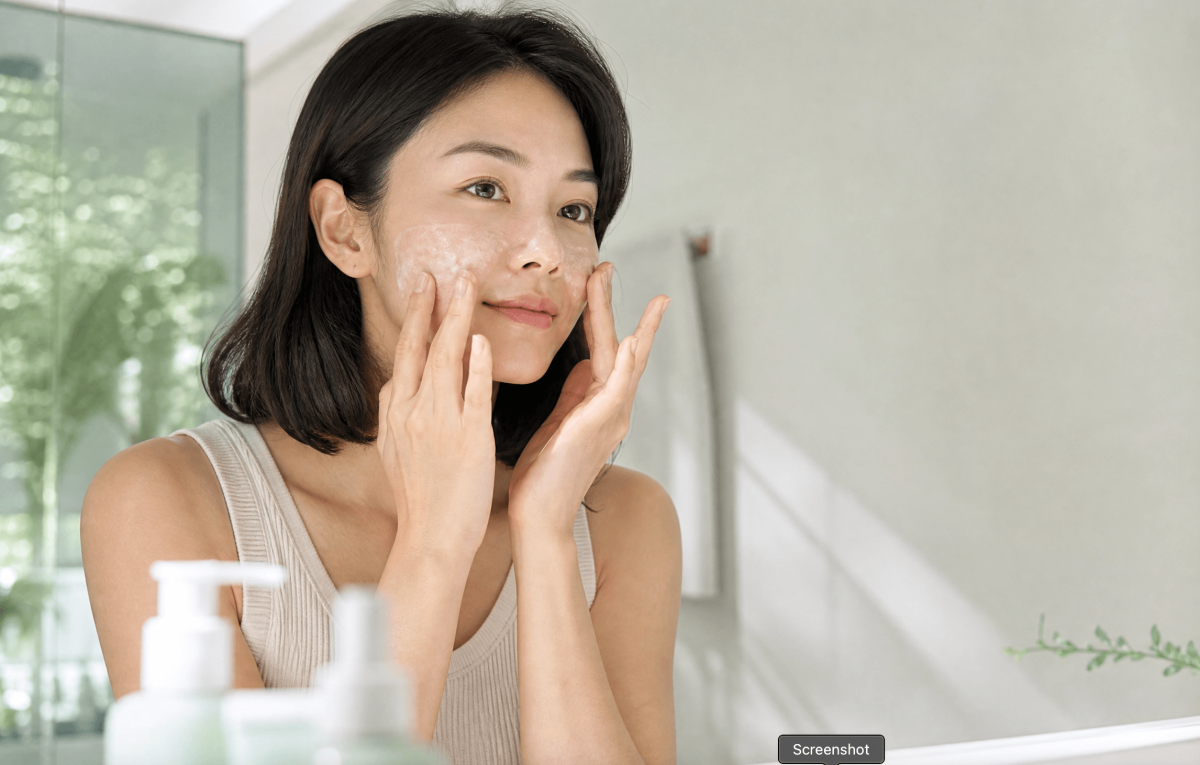
Keep your routine simple. Cleanse gently at night to remove sunscreen, makeup, sweat, and particulate residue, but avoid scrubbing or using very hot water. If your skin is dry or sensitive, choose a low-foam, fragrance-free cleanser.
Follow with a moisturiser containing barrier-supportive ingredients such as ceramides, glycerin, squalane, or hyaluronic acid. Apply it while skin is slightly damp to help reduce moisture loss. In the morning, use a broad-spectrum sunscreen with at least SPF 30. Sunscreen does not replace an air-quality mask or indoor precautions, but it helps protect against ultraviolet exposure, which can add to pollution-related oxidative stress.
On hazy days, limit prolonged outdoor exposure when air quality is poor. Keep windows closed when appropriate, wash your face and hands after being outdoors, and avoid adding strong acids, retinoids, scrubs, or fragranced products if your skin is already stinging. Reintroduce active ingredients gradually after comfort returns.
When should you see a dermatologist?
Consult a dermatologist if redness, itching, swelling, burning, or persistent acne continues despite a gentle routine. Seek medical advice promptly for facial swelling, breathing difficulty, or a severe rash. Skin symptoms can have causes beyond haze, including eczema, contact dermatitis, acne, or an allergy.
Frequently Asked Questions (FAQs)
Can haze permanently damage the skin barrier?
Short-term haze exposure does not automatically cause permanent damage. Repeated exposure, combined with sun, smoke, harsh products, and poor hydration, may increase ongoing stress. A gentle routine and reduced exposure can support recovery, but persistent symptoms should be assessed by a dermatologist.
Should I wash my face immediately after being outdoors in haze?
Cleanse when you return home, particularly before bed, but avoid repeated washing throughout the day. A gentle cleanser is usually enough. Over-cleansing can strip protective oils and worsen dryness or sensitivity.
Is double cleansing necessary during hazy weather?
Not always. Double cleansing may be useful if you wear water-resistant sunscreen or makeup, but it is unnecessary for everyone. If you double cleanse, use mild products and stop if your skin feels tight or irritated.
Does sunscreen protect skin from haze?
Sunscreen protects primarily against ultraviolet radiation, not all airborne pollutants. It remains important because ultraviolet exposure and pollution can both contribute to oxidative stress and visible skin ageing. Use sunscreen together with haze-avoidance measures.
Which ingredients help repair a pollution-stressed skin barrier?
Look for moisturising and barrier-supportive ingredients such as ceramides, glycerin, panthenol, squalane, and hyaluronic acid. Choose products based on your skin type, and introduce one new product at a time if your skin is reactive.
Should I exfoliate to remove pollution particles?
Avoid aggressive scrubs or frequent exfoliation. Gentle cleansing removes surface residue without unnecessary friction. Exfoliating while your skin is dry, red, or stinging may delay barrier recovery.
How quickly can the skin barrier recover?
Mild irritation may improve over several days to a few weeks when triggers are reduced and the routine is gentle. Recovery varies by skin condition and exposure level. See a dermatologist if symptoms worsen or do not improve.