

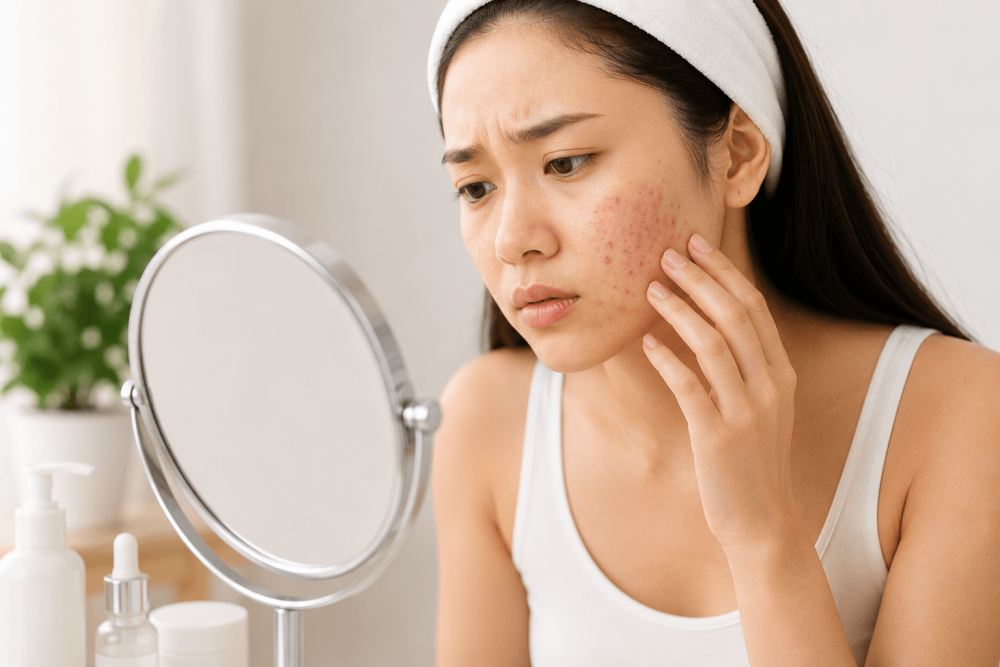
Many people feel frustrated when acne returns shortly after a facial treatment. You may have spent time and money on a facial, enjoyed clearer skin for a few days, only to see new pimples appear again weeks later.
If this sounds familiar, you're not alone.
One of the most common questions skincare professionals hear is: "Why does my acne keep coming back even after a facial?" The truth is that while facials can effectively remove impurities, reduce congestion, and improve skin condition, they are not a permanent cure for acne.
Understanding the underlying causes of recurring acne is the first step toward achieving clearer, healthier skin.
Understanding What Causes Acne
Acne develops when hair follicles become clogged with excess oil (sebum), dead skin cells, and bacteria. Several factors contribute to this process, including:
- Excessive oil production
- Hormonal fluctuations
- Poor skincare habits
- Stress
- Diet and lifestyle factors
- Genetic predisposition
- Inflammation and bacterial growth
A facial can help remove existing blockages, but it may not address the root causes that continue triggering acne formation.
1. The Facial Only Treats Existing Acne
A common misconception is that a facial treatment permanently eliminates acne.
In reality, most facials focus on:
- Deep cleansing
- Exfoliation
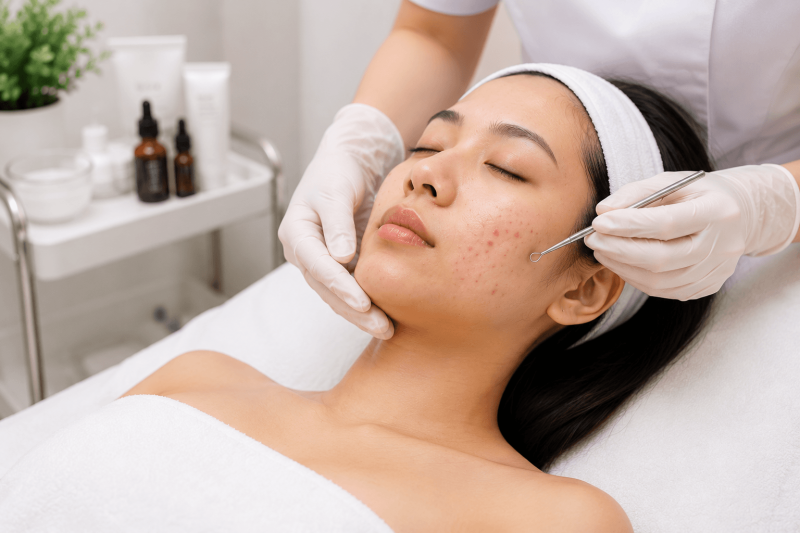
- Blackhead and whitehead extraction
- Reducing surface congestion
- Calming inflammation
These treatments remove current impurities and clogged pores. However, your skin continues producing oil and shedding dead skin cells after the facial. If the underlying causes remain unchanged, new blockages can form, leading to future breakouts.
Think of an acne facial as a maintenance treatment rather than a one-time solution.
2. Hormonal Imbalances Continue Triggering Breakouts
Hormones play a significant role in acne development.
Fluctuations in androgen hormones can stimulate the sebaceous glands to produce more oil. This excess oil combines with dead skin cells and creates an ideal environment for acne-causing bacteria.
Hormonal acne commonly affects:
- Teenagers during puberty
- Women during menstrual cycles
- Pregnant women
- Individuals experiencing high stress levels
Even after a professional acne facial, hormonal triggers can continue causing new pimples to develop.
3. Incomplete Home Skincare Routine
What you do between facial appointments matters just as much as the treatment itself.
Many individuals unknowingly use skincare products that contribute to clogged pores, such as:
- Heavy moisturizers
- Oil-based cosmetics
- Harsh cleansers that damage the skin barrier
- Inappropriate exfoliants
Without a suitable skincare routine, your skin may quickly return to its previous acne-prone condition.
A professional skin analysis can help identify products that support acne-prone skin rather than aggravate it.
4. Stress Is Affecting Your Skin
Modern lifestyles often involve high levels of stress.
When stress levels increase, the body produces more cortisol, commonly known as the stress hormone. Elevated cortisol can stimulate oil production and increase inflammation, creating conditions that encourage acne breakouts.
Signs that stress may be contributing to your acne include:
- Sudden flare-ups during busy periods
- Breakouts before important events
- Persistent inflammation despite regular skincare
Managing stress through adequate sleep, exercise, and relaxation techniques can support healthier skin alongside professional treatments.
5. Your Diet May Be Contributing to Acne
Although diet is not the sole cause of acne, research suggests that certain foods may worsen breakouts in susceptible individuals.
Potential triggers include:
- High-glycemic foods
- Sugary beverages
- Excessive dairy consumption
- Highly processed foods
Everyone's skin responds differently, but maintaining a balanced diet can help reduce inflammation and support overall skin health.
Combining healthy lifestyle habits with a regular acne facial in Singapore may deliver better long-term results.
6. Acne Bacteria Can Rebuild Quickly
The bacteria associated with acne can multiply rapidly, especially when pores remain clogged with oil and dead skin cells.
While extractions remove existing congestion, new blockages may develop if the skin environment remains favorable for bacterial growth.
This is why consistency is important. Regular treatments and proper skincare help maintain cleaner pores and reduce the likelihood of recurring breakouts.
7. Not All Facials Are Designed for Acne-Prone Skin
Some facial treatments focus primarily on hydration, relaxation, or anti-ageing concerns.
Individuals with acne-prone skin often benefit more from treatments specifically designed to address:
- Congested pores
- Excess oil production
- Acne-causing bacteria
- Skin inflammation
- Recurring breakouts
Choosing a specialised acne facial in Singapore that includes professional skin analysis and customised treatment protocols can provide more effective support for long-term acne management.
8. Over-Extraction Can Irritate the Skin
Many people believe aggressive extraction is the key to clearer skin.
However, excessive extraction may:
- Irritate the skin
- Increase redness
- Trigger inflammation
- Compromise the skin barrier
When the skin barrier becomes weakened, it may become more vulnerable to irritation and future breakouts.
Professional therapists should always perform extractions carefully and according to the skin's condition.
How to Prevent Acne from Returning After a Facial
While no treatment can guarantee permanent acne-free skin, several strategies can help reduce recurring breakouts:
- Follow a Consistent Skincare Routine
- Use products suitable for acne-prone skin and follow professional recommendations.
- Schedule Regular Facial Treatments
Consistent treatments help keep pores clear and monitor skin changes over time.
Avoid Picking Pimples
Touching or squeezing acne can worsen inflammation and increase the risk of scarring.
Manage Stress Levels
Adequate sleep and stress management can positively influence skin health.
Maintain a Healthy Lifestyle
Balanced nutrition, hydration, and regular exercise support overall skin function.
Seek Professional Skin Analysis
Personalized skincare recommendations often produce better results than generic solutions.
Conclusion
If your acne keeps coming back after a facial, it doesn't necessarily mean the treatment isn't working. Acne is a complex skin condition influenced by hormones, lifestyle factors, skincare habits, genetics, and inflammation.
A facial can effectively remove existing congestion and improve skin clarity, but lasting results often require a comprehensive approach that combines professional treatment, proper home care, and lifestyle adjustments.
For individuals struggling with recurring breakouts, choosing a specialized Acne Facial in Singapore and maintaining a consistent skincare plan can significantly improve the chances of achieving clearer, healthier-looking skin over time.
Frequently Asked Questions (FAQs)
1. Is it normal to get pimples after a facial?
Yes. Some people may experience minor breakouts after a facial as impurities beneath the skin surface are brought up. This usually subsides within a few days.
2. How often should I get an acne facial in Singapore?
Most skincare professionals recommend every 3 to 6 weeks, depending on your skin condition and severity of acne.
3. Can facials completely cure acne?
No. Facials help manage acne symptoms and improve skin condition, but they do not permanently cure acne because underlying factors may still exist.
4. Why does acne return even after successful extractions?
New pores can become clogged due to ongoing oil production, hormonal fluctuations, dead skin cell buildup, and lifestyle factors.
5. What type of facial is best for acne-prone skin?
A professional acne facial that includes skin analysis, deep cleansing, gentle extraction, and customised treatment protocols is generally more suitable for acne-prone skin than regular relaxation facials.