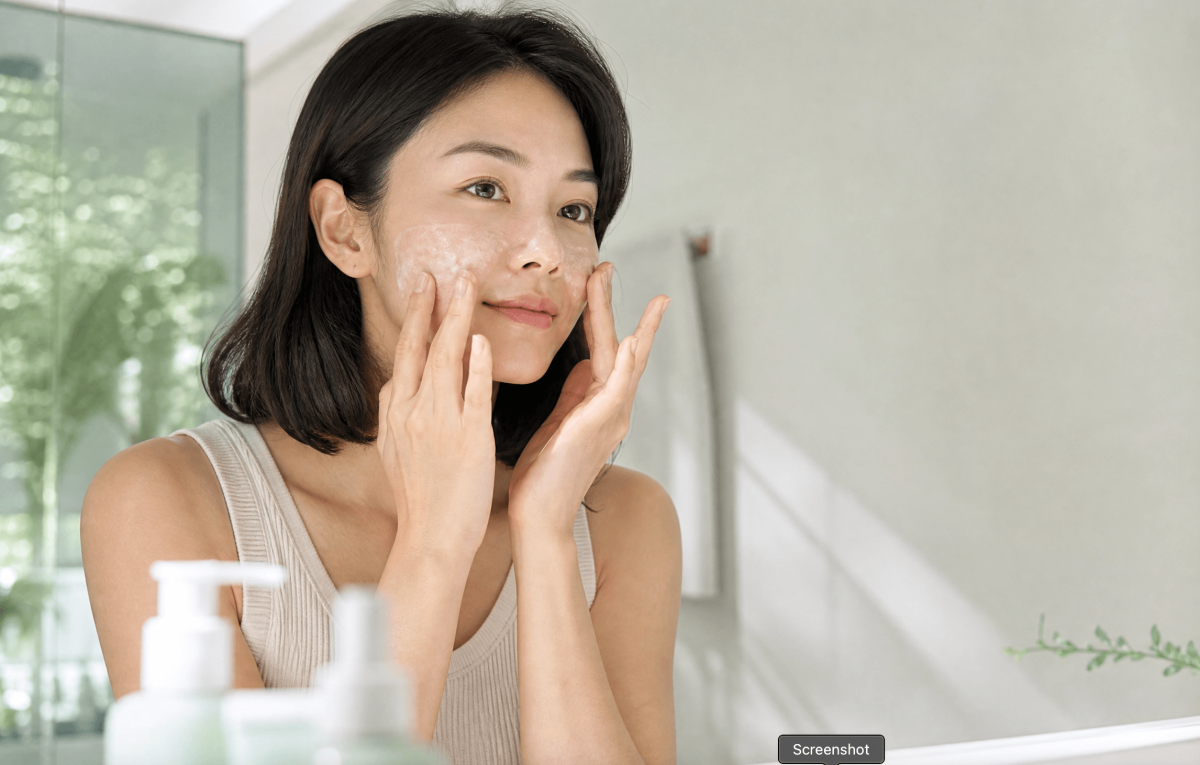


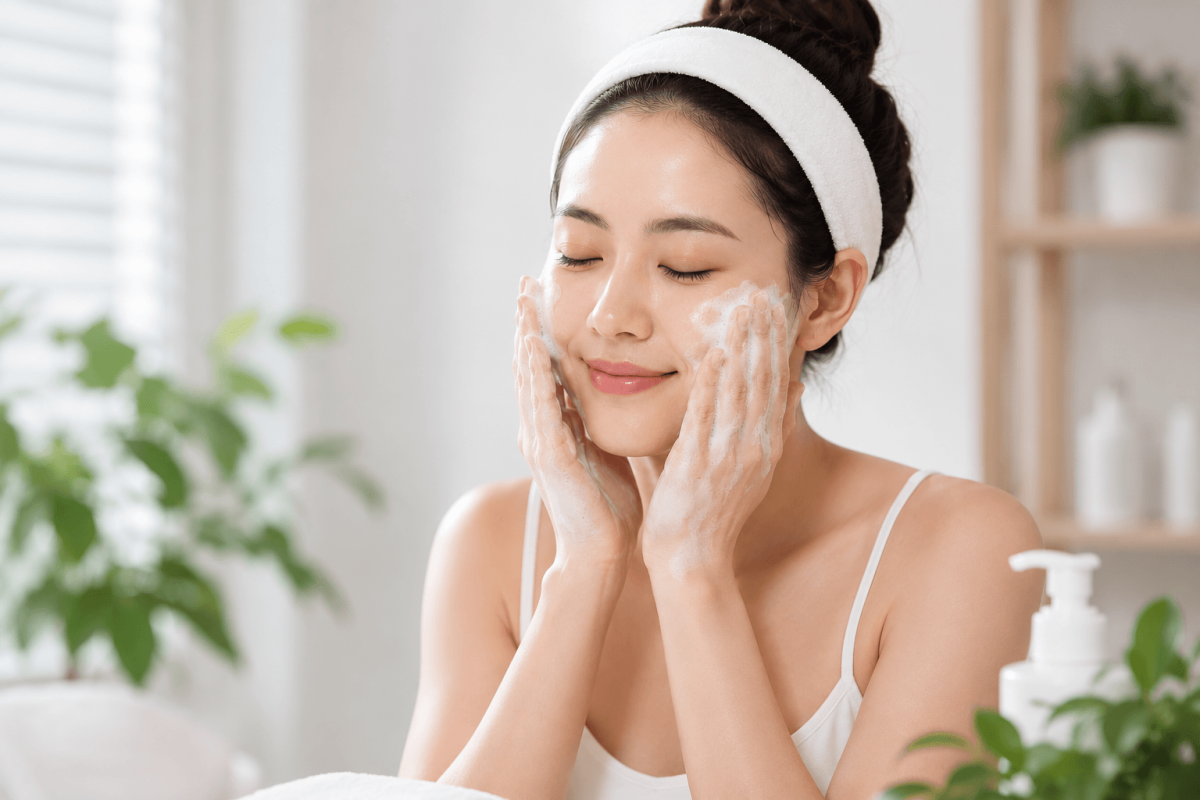
If you're struggling with frequent breakouts, choosing the right facial wash can be the difference between healthier skin and a never-ending acne cycle. With hundreds of cleansers claiming to be "best for acne," it's easy to feel overwhelmed.
The truth is, the best facial wash isn't necessarily the strongest one. Modern dermatology and skincare experts now recommend a skin barrier-first approach, where cleansing removes excess oil, dirt, and bacteria without stripping away your skin's natural protective barrier. An overly harsh cleanser can actually trigger more oil production and worsen breakouts.
In this guide, you'll learn exactly what to look for when selecting a facial wash for acne-prone skin and how to build a routine that supports long-term skin health.
Why Your Facial Wash Matters
Many people underestimate the importance of using the right facial cleanser. Throughout the day, your skin accumulates oil, sweat, pollution, sunscreen and bacteria. If these impurities are not properly removed, they can clog pores and contribute to acne breakouts. At the same time, using a cleanser that is too harsh can strip away your skin's natural oils, leaving it feeling tight and irritated. When this happens, your skin may compensate by producing even more oil, creating an environment where acne can become worse instead of better.
A good facial wash should leave your skin feeling refreshed and comfortable rather than dry or squeaky clean. If your skin feels tight immediately after washing, it may be a sign that your cleanser is disrupting your skin barrier rather than supporting it. Choosing a cleanser that balances effective cleansing with skin hydration is essential for maintaining healthy, acne-resistant skin.

Choose a Facial Wash Based on Your Skin Type
Not all acne-prone skin is the same. Understanding your skin type is one of the most important steps when selecting a facial wash. People with oily skin generally benefit from lightweight gel or foaming cleansers that help remove excess sebum without causing irritation. Ingredients such as salicylic acid and niacinamide are often suitable because they help control oil production while keeping pores clear.
If your skin is combination, you should look for a balanced cleanser that cleanses oily areas without drying out the rest of your face. Meanwhile, those with sensitive acne-prone skin should prioritise gentle, fragrance-free cleansers that contain hydrating ingredients like ceramides or glycerin. Although many people believe stronger products work better against acne, overly aggressive cleansers often cause redness, dryness and irritation, making breakouts more difficult to manage.
Look for Ingredients That Are Clinically Proven
When shopping for a facial wash, the ingredient list is far more important than the marketing claims on the packaging. Salicylic acid remains one of the most widely recommended ingredients for acne-prone skin because it penetrates deep into the pores and dissolves excess oil and dead skin cells that contribute to blackheads and whiteheads. It is particularly effective for people with oily or congested skin.
Another well-known ingredient is benzoyl peroxide, which targets acne-causing bacteria while helping to reduce inflammation. It is especially useful for red, inflamed pimples, although higher concentrations may cause dryness for some individuals. Starting with a lower strength is often recommended for those new to the ingredient.
Niacinamide has also become increasingly popular in recent years. Although it does not directly treat acne, it helps regulate oil production, reduces redness and strengthens the skin barrier. Many skincare professionals recommend pairing niacinamide with other acne-fighting ingredients because it helps minimise irritation while supporting healthier skin overall.
Ingredients You Should Avoid
While active ingredients are important, avoiding irritating ingredients is equally essential. Some facial washes contain high amounts of alcohol, artificial fragrance or harsh sulphates that can damage the skin barrier. Physical scrubs with rough exfoliating particles may also create tiny tears in the skin, leading to increased inflammation and prolonged healing time.
Acne-prone skin is already inflamed, so treating it gently often produces better long-term results than aggressive cleansing. Choosing a mild cleanser without unnecessary irritants allows your skin to recover while reducing the likelihood of future breakouts.
Avoid Overwashing Your Face
A common misconception is that washing your face more frequently will eliminate acne faster. In reality, excessive cleansing often has the opposite effect. Washing your face more than twice a day can strip away your skin's natural protective oils, leaving it vulnerable to irritation and triggering increased oil production.
Most skincare professionals recommend cleansing once in the morning and once before bedtime. If you exercise or sweat heavily, an additional gentle cleanse afterwards is appropriate. Beyond that, giving your skin time to maintain its natural balance is generally more beneficial than frequent washing.
A Facial Wash Is Only One Part of Acne Care
Although selecting the right facial wash is important, it is unrealistic to expect a cleanser alone to completely eliminate acne. Acne develops due to a combination of factors, including excess oil production, clogged pores, bacteria, hormones and inflammation. While a facial wash helps remove impurities from the skin's surface, it cannot address every underlying cause.
For individuals experiencing persistent acne, painful breakouts, recurring congestion or acne scars, a more comprehensive skincare approach is often necessary. Combining an appropriate cleanser with targeted skincare products and professional treatments typically produces better and longer-lasting results.
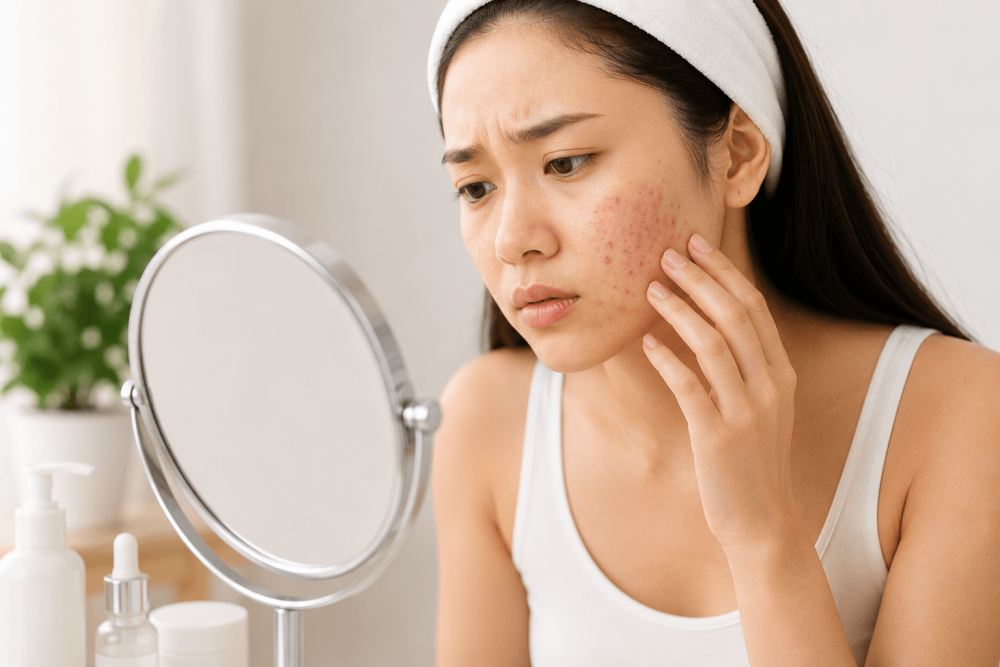
Common Mistakes That Can Make Acne Worse
Many people unintentionally make their acne worse by using multiple acne cleansers simultaneously or switching products too frequently before giving them enough time to work. Others scrub their skin aggressively in an attempt to remove blemishes faster, only to increase irritation and inflammation. Skipping moisturiser is another common mistake, as dehydrated skin may produce even more oil to compensate.
Developing a simple, consistent skincare routine is usually far more effective than constantly experimenting with different products. Patience is equally important, as noticeable improvements often take several weeks rather than a few days.
When Professional Treatment May Be Needed
If your acne continues despite using a suitable facial wash and maintaining a consistent skincare routine for several months, it may be time to seek professional advice. Persistent acne often requires more targeted treatment than over-the-counter skincare can provide. A professional skin analysis can identify the underlying causes of your breakouts and determine whether factors such as congestion, inflammation or impaired skin renewal are preventing your skin from improving.
Seeking treatment early can also help minimise the risk of long-term acne scarring, which becomes more difficult to treat once it has developed.

Achieve Clearer Skin with Caring Skin's Proskin Medical Peel
Choosing the best facial wash is an excellent first step towards healthier skin, but for many people with acne-prone skin, professional treatment can significantly enhance their results. If you are struggling with stubborn breakouts, clogged pores or recurring acne, Caring Skin's Proskin Medical Peel offers a targeted solution designed specifically for acne-prone skin.
Unlike ordinary facials, the Proskin Medical Peel combines professional exfoliation with personalised skin analysis to help unclog congested pores, remove dead skin cells, reduce excess oil and improve overall skin texture. The treatment is carefully customised according to your skin condition, allowing experienced skin coaches to recommend the most suitable approach based on your individual needs. With regular treatments and a proper home skincare routine, many individuals experience clearer, smoother and healthier-looking skin over time.
If you are ready to take your acne care beyond your daily facial wash, learn more about Caring Skin's Proskin Medical Peel and discover how it can complement your skincare routine.
Frequently Asked Questions (FAQs)
1. What is the best facial wash for acne-prone skin?
The best facial wash depends on your skin type and acne condition. Cleansers containing salicylic acid are ideal for oily and congested skin, while gentle, fragrance-free formulas are better suited for sensitive acne-prone skin.
2. How many times should I wash my face if I have acne?
Most skincare professionals recommend washing your face twice daily—once in the morning and once before bed. Washing too frequently may damage your skin barrier and trigger excess oil production.
3. Can a facial wash completely cure acne?
No. A facial wash helps remove dirt, oil and impurities, but acne usually requires a combination of skincare products, healthy lifestyle habits and, in some cases, professional treatments.
4. Should I avoid moisturiser if I have oily, acne-prone skin?
No. Using a lightweight, non-comedogenic moisturiser helps maintain your skin barrier and can actually reduce excess oil production caused by dehydration.
5. How long does it take to see results from a new facial wash?
Most people should allow at least four to eight weeks of consistent use before evaluating whether a facial wash is improving their skin.
6. When should I consider professional acne treatment?
If your acne persists despite following a consistent skincare routine or if you experience recurring breakouts, painful acne or acne scars, professional treatments such as Caring Skin's Proskin Medical Peel can provide deeper cleansing, targeted exfoliation and personalised care to help improve your skin condition.