

In the pursuit of clearer, smoother skin, exfoliation is often seen as a must-have step in any skincare routine. From chemical acids to physical scrubs, exfoliating products promise to unclog pores, remove dead skin cells, and reveal a brighter complexion. However, more isn’t always better. Over-exfoliation is a common yet overlooked cause of worsening acne, leaving many wondering why their skin seems to be getting worse instead of better.
Understanding how exfoliation works and where it can go wrong is key to achieving healthy, balanced skin.
What Is Exfoliation and Why Does It Matter?
Exfoliation is the process of removing dead skin cells from the surface of your skin. This can be done physically, using scrubs or tools, or chemically, using acids like AHAs (alpha hydroxy acids) and BHAs (beta hydroxy acids). When done correctly, exfoliation helps to unclog pores, improve skin texture, and enhance the absorption of skincare products.
For acne-prone skin, exfoliation can be particularly beneficial. Ingredients like salicylic acid (a BHA) penetrate deep into pores to dissolve excess oil and debris, helping to reduce blackheads and breakouts. However, when exfoliation is overdone, it can disrupt the skin’s natural balance leading to more harm than good.
The Hidden Dangers of Over-Exfoliation
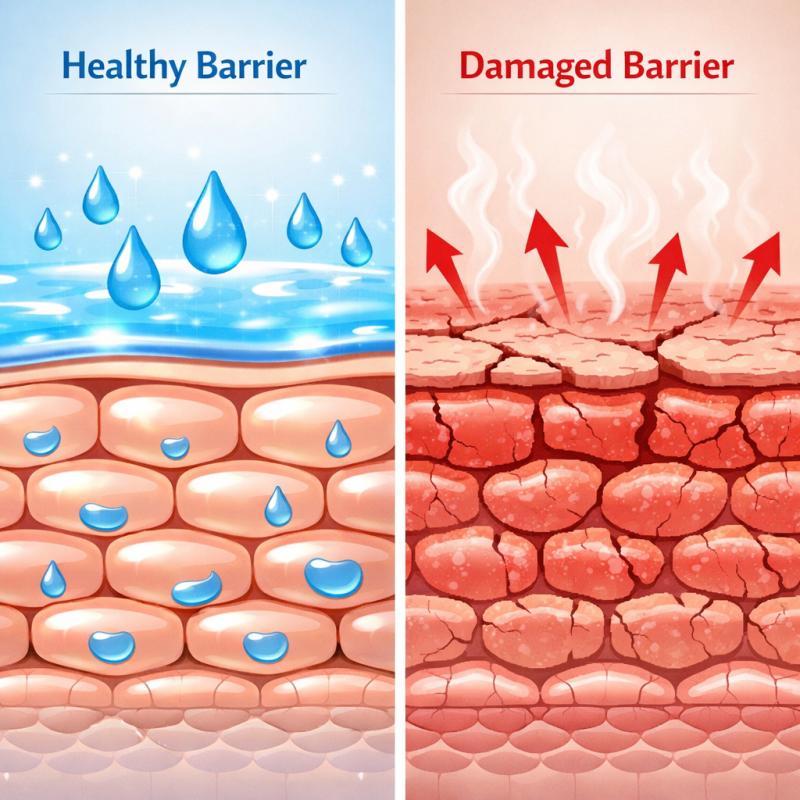
While exfoliation can improve skin clarity, excessive use can compromise your skin barrier. The skin barrier is your body’s first line of defense against environmental stressors, bacteria, and moisture loss. When it becomes damaged, your skin becomes more vulnerable, reactive, and prone to inflammation.
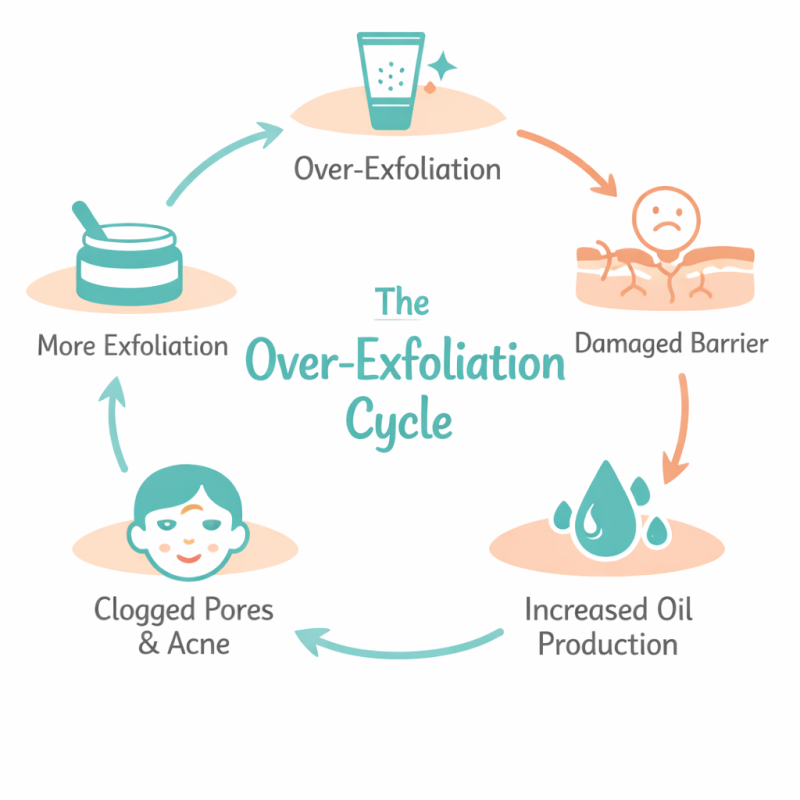
Over-exfoliation strips away not just dead skin cells, but also the natural oils that keep your skin hydrated and protected. As a result, your skin may respond by producing even more oil to compensate creating the perfect environment for clogged pores and acne.
Signs You Might Be Over-Exfoliating
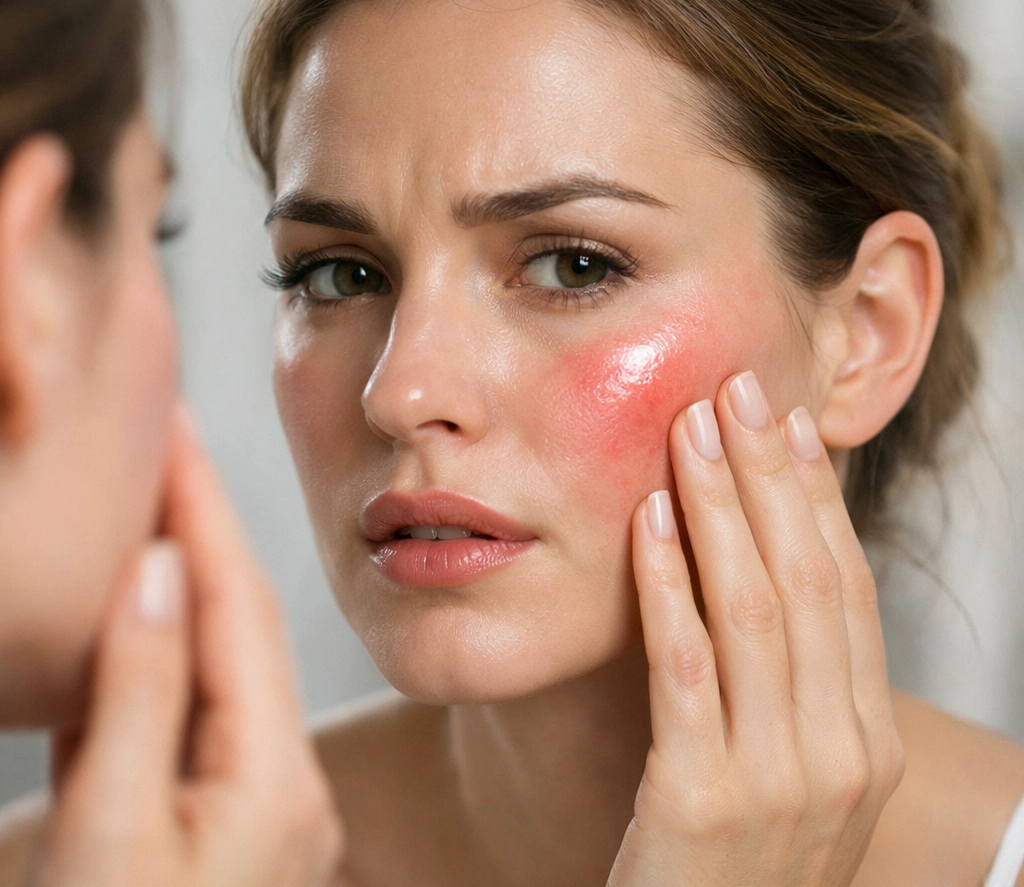
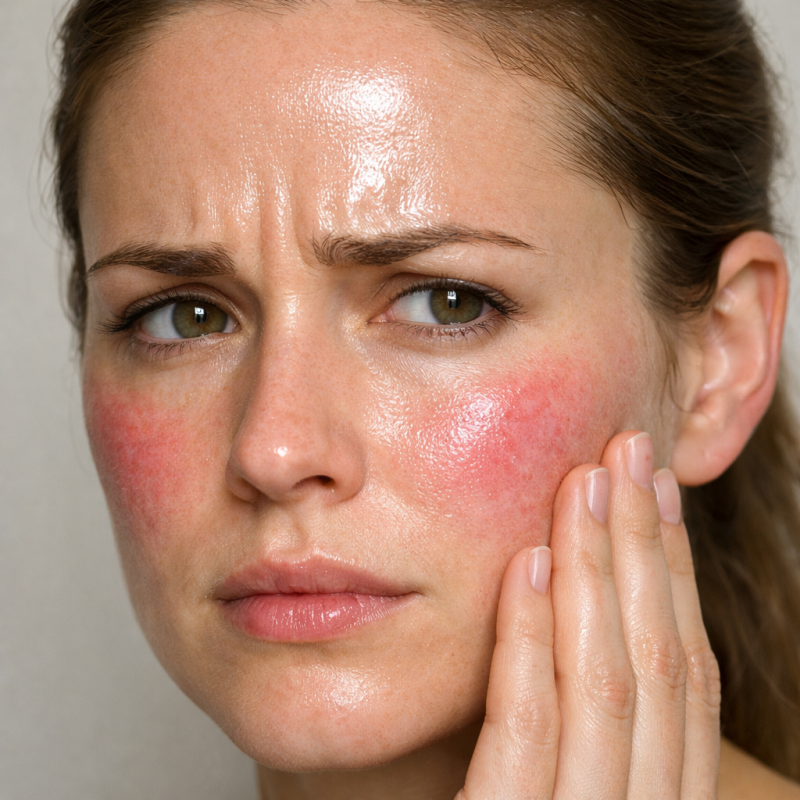
It’s not always obvious when you’ve crossed the line. Many people mistake the symptoms of over-exfoliation for stubborn acne and end up exfoliating even more, worsening the cycle. Some common signs include:
- Increased redness and sensitivity
- A tight, dry, or “stripped” feeling after cleansing
- Flaky or peeling skin
- Sudden breakouts or worsening acne
- A shiny, almost “glassy” appearance to the skin
- Stinging or burning when applying skincare products
If you’re experiencing several of these symptoms, it may be time to reassess your routine.
How Over-Exfoliation Triggers Breakouts
Ironically, over-exfoliation can directly contribute to acne. When the skin barrier is compromised, inflammation increases, making your skin more reactive to bacteria and irritants. This can lead to more frequent and severe breakouts.
Additionally, a weakened barrier disrupts the skin’s natural healing process. This means that existing acne takes longer to recover, and post-acne marks may become more noticeable. The cycle of irritation, inflammation, and breakouts can be difficult to break without proper care.
Finding the Right Balance
The key to effective exfoliation is moderation. Not everyone needs to exfoliate daily, and in many cases, less frequent exfoliation yields better results. For most skin types, exfoliating two to three times a week is sufficient.
Choosing the right type of exfoliant also matters. Chemical exfoliants tend to be gentler and more even in their action compared to harsh physical scrubs, which can create micro-tears in the skin if used aggressively. If you have acne-prone or sensitive skin, opting for a mild BHA or a low-percentage AHA can help maintain clarity without causing irritation.
It’s also important to avoid combining multiple exfoliating products at once. Using a cleanser with acids, followed by a toner and serum with similar ingredients, can quickly lead to over-exfoliation even if each product seems mild on its own.
Repairing an Over-Exfoliated Skin Barrier
If your skin is already showing signs of over-exfoliation, the first step is to simplify your routine. Pause all exfoliating products and focus on gentle, hydrating skincare. Look for ingredients like ceramides, hyaluronic acid, and panthenol, which help restore the skin barrier and retain moisture.
A mild, non-stripping cleanser and a nourishing moisturiser should become your essentials during this recovery phase. Sunscreen is also crucial, as over-exfoliated skin is more sensitive to UV damage.
Recovery can take anywhere from a few days to a few weeks, depending on the severity. During this time, patience is key resist the urge to “fix” your skin with more active ingredients.
Preventing Future Breakouts
Once your skin has recovered, you can gradually reintroduce exfoliation into your routine. Start slowly, perhaps once or twice a week, and observe how your skin responds. Consistency and restraint are far more effective than aggressive treatment.
Incorporating professional treatments can also help maintain balance. Deep cleansing facials, when performed by trained specialists, can effectively remove impurities without compromising the skin barrier. These treatments are designed to work in harmony with your skin, rather than against it.
Conclusion
Exfoliation is a powerful tool in managing acne, but only when used correctly. Over-exfoliation can silently sabotage your skincare efforts, leading to increased sensitivity, inflammation, and breakouts. By understanding your skin’s needs and adopting a balanced approach, you can avoid making your acne worse and instead, move closer to achieving clear, healthy skin.
If your skin feels like it’s constantly battling breakouts despite your best efforts, it might be time to take a step back. Sometimes, doing less is exactly what your skin needs to heal and thrive.


 and BHAs (beta hydroxy acids). When done correctly, exfoliation helps to unclog pores, improve skin texture, and enhance the absorption of skincare products.
For acne-prone skin, exfoliation can be particularly beneficial. Ingredients like salicylic acid (a BHA) penetrate deep into pores to dissolve excess oil and debris, helping to reduce blackheads and breakouts. However, when exfoliation is overdone, it can disrupt the skin’s natural balance leading to more harm than good.
<h3><strong>The Hidden Dangers of Over-Exfoliation</strong></h3>
While exfoliation can improve skin clarity, excessive use can compromise your skin barrier. The skin barrier is your body’s first line of defense against environmental stressors, bacteria, and moisture loss. When it becomes damaged, your skin becomes more vulnerable, reactive, and prone to inflammation.
Over-exfoliation strips away not just dead skin cells, but also the natural oils that keep your skin hydrated and protected. As a result, your skin may respond by producing even more oil to compensate creating the perfect environment for clogged pores and acne.
<img class="aligncenter size-full wp-image-21675" src="https://caringskin.com.sg/wp-content/uploads/2026/03/skin_barrier_comparison-e1774498924223.png" alt="" />
<h3><strong>Signs You Might Be Over-Exfoliating</strong></h3>
It’s not always obvious when you’ve crossed the line. Many people mistake the symptoms of over-exfoliation for stubborn acne and end up exfoliating even more, worsening the cycle. Some common signs include:
<ul>
<li>Increased redness and sensitivity</li>
<li>A tight, dry, or “stripped” feeling after cleansing</li>
<li>Flaky or peeling skin</li>
<li>Sudden breakouts or worsening acne</li>
<li>A shiny, almost “glassy” appearance to the skin</li>
<li>Stinging or burning when applying skincare products</li>
</ul>
If you’re experiencing several of these symptoms, it may be time to reassess your routine.
<h3><strong>How Over-Exfoliation Triggers Breakouts</strong></h3>
Ironically, over-exfoliation can directly contribute to acne. When the skin barrier is compromised, inflammation increases, making your skin more reactive to bacteria and irritants. This can lead to more frequent and severe breakouts.
Additionally, a weakened barrier disrupts the skin’s natural healing process. This means that existing acne takes longer to recover, and post-acne marks may become more noticeable. The cycle of irritation, inflammation, and <a href="https://caringskin.com.sg/is-your-makeup-causing-breakouts/" target="_blank" rel="noopener">breakouts</a> can be difficult to break without proper care.
<img class="aligncenter size-full wp-image-21676" src="https://caringskin.com.sg/wp-content/uploads/2026/03/over_exfoliation_cycle-e1774498978862.png" alt="" />
<h3><strong>Finding the Right Balance</strong></h3>
The key to effective exfoliation is moderation. Not everyone needs to exfoliate daily, and in many cases, less frequent exfoliation yields better results. For most skin types, exfoliating two to three times a week is sufficient.
Choosing the right type of exfoliant also matters. Chemical exfoliants tend to be gentler and more even in their action compared to harsh physical scrubs, which can create micro-tears in the skin if used aggressively. If you have acne-prone or sensitive skin, opting for a mild BHA or a low-percentage AHA can help maintain clarity without causing irritation.
It’s also important to avoid combining multiple exfoliating products at once. Using a cleanser with acids, followed by a toner and serum with similar ingredients, can quickly lead to over-exfoliation even if each product seems mild on its own.
<h4><strong>Repairing an Over-Exfoliated Skin Barrier</strong></h4>
If your skin is already showing signs of over-exfoliation, the first step is to simplify your routine. Pause all exfoliating products and focus on gentle, hydrating skincare. Look for ingredients like ceramides, hyaluronic acid, and panthenol, which help restore the skin barrier and retain moisture.
A mild, non-stripping cleanser and a nourishing moisturiser should become your essentials during this recovery phase. Sunscreen is also crucial, as over-exfoliated skin is more sensitive to UV damage.
Recovery can take anywhere from a few days to a few weeks, depending on the severity. During this time, patience is key resist the urge to “fix” your skin with more active ingredients.
<img class="aligncenter size-full wp-image-21679" src="https://caringskin.com.sg/wp-content/uploads/2026/03/over_exfoliation_signs-e1774499101813.png" alt="" />
<h3><strong>Preventing Future Breakouts</strong></h3>
Once your skin has recovered, you can gradually reintroduce exfoliation into your routine. Start slowly, perhaps once or twice a week, and observe how your skin responds. Consistency and restraint are far more effective than aggressive treatment.
Incorporating professional treatments can also help maintain balance. Deep cleansing facials, when performed by trained specialists, can effectively remove impurities without compromising the skin barrier. These treatments are designed to work in harmony with your skin, rather than against it.
<h3><strong>Conclusion</strong></h3>
Exfoliation is a powerful tool in managing acne, but only when used correctly. Over-exfoliation can silently sabotage your skincare efforts, leading to increased sensitivity, inflammation, and breakouts. By understanding your skin’s needs and adopting a balanced approach, you can avoid making your acne worse and instead, move closer to achieving clear, healthy skin.
If your skin feels like it’s constantly battling breakouts despite your best efforts, it might be time to take a step back. Sometimes, doing less is exactly what your skin needs to heal and thrive.)