

When haze affects Singapore, most health advice focuses on protecting the eyes and respiratory system. But your skin is also exposed to the outdoor environment and may benefit from extra care during periods of poor air quality.
Haze contains fine particulate matter, including PM2.5, which is one of the main pollutants of concern during haze episodes. Singapore's National Environment Agency (NEA) monitors air quality through the Pollutant Standards Index (PSI) and provides health advisories based on current conditions.
Research on air pollution also suggests that particulate matter and other pollutants can contribute to oxidative stress, inflammation and disruption of the skin barrier. However, the effects can vary depending on the type and level of exposure and individual skin characteristics.
So, how can you protect your skin during haze season in Singapore? Here are 8 practical skincare tips to consider.
1. Check the PSI and PM2.5 Before Spending Time Outdoors
Your first step should be understanding the air quality.
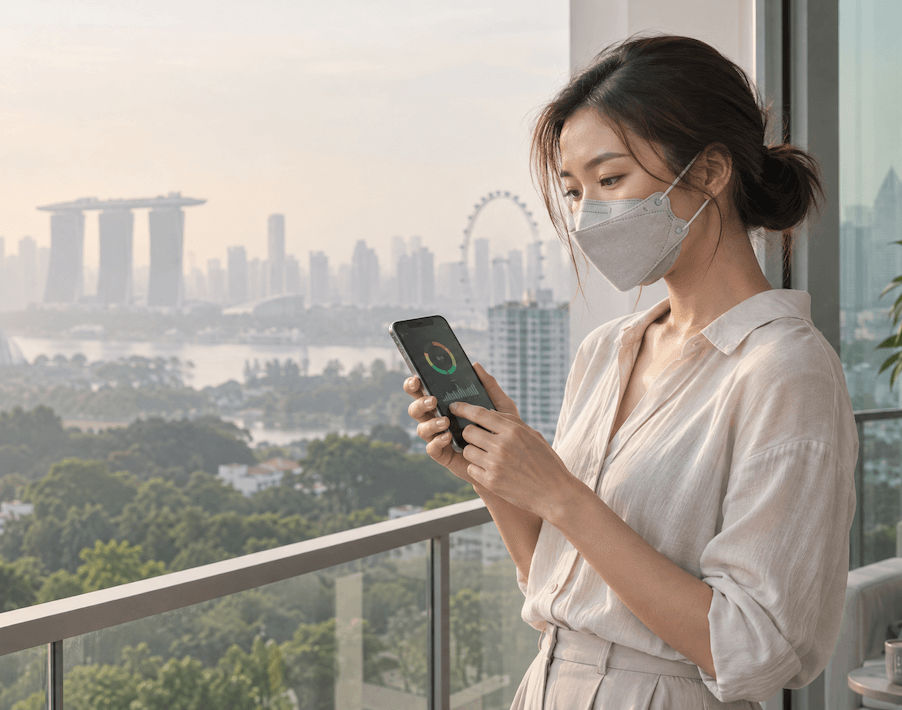
During haze episodes, check Singapore's 24-hour PSI forecast and PM2.5 readings before planning prolonged outdoor activities. When air quality worsens, reducing outdoor exposure can also reduce your skin's contact with airborne pollutants.
NEA recommends reducing prolonged or strenuous outdoor physical activity when the 24-hour PSI reaches the Unhealthy range.
While checking air quality is primarily a health precaution, spending less time in polluted outdoor environments can also reduce the amount of particulate matter deposited on exposed skin.
2. Cleanse Your Skin Gently
After spending time outdoors, cleansing can help remove sweat, excess sebum and environmental particles from the skin's surface.
However, avoid the temptation to scrub your face aggressively.
A harsh cleanser, frequent scrubbing or excessive exfoliation can strip the skin's natural protective barrier and leave it feeling tight, dry or sensitive.
Choose a gentle cleanser appropriate for your skin type and cleanse without excessive rubbing. If your skin is already sensitive during haze season, keeping your routine simple may be more comfortable.
3. Keep Your Skin Barrier Well Moisturised
One of the most important steps in haze skincare is maintaining adequate moisturisation.
A healthy skin barrier helps retain moisture and provides protection against environmental stressors. Research has found associations between particulate matter exposure, oxidative stress and skin barrier dysfunction.
Look for a moisturiser that helps support the skin barrier and suits your skin type. Ingredients commonly used in barrier-supporting skincare include ceramides, glycerin, hyaluronic acid and other moisturising agents.
If your skin feels unusually tight, rough or uncomfortable, consider temporarily simplifying your routine and prioritising hydration.
4. Avoid Over-Exfoliating During Haze Episodes
Haze season is generally not the best time to dramatically increase exfoliation.
Using multiple exfoliating acids, scrubs or other intensive products at the same time may increase irritation, particularly if your skin is already dry or sensitive.
Instead, focus on maintaining your skin barrier first. Once your skin feels comfortable and balanced again, you can gradually return to your usual exfoliation routine if appropriate.
More exfoliation does not necessarily mean healthier skin.
5. Don't Skip Sunscreen
Haze may make the sky look cloudy or reduce visibility, but that does not mean sunscreen is unnecessary.
Continue using a broad-spectrum sunscreen as part of your normal daytime skincare routine, particularly if you will be spending time outdoors.
A simple morning routine can be:
Cleanser → Moisturiser → Sunscreen
If you are outdoors for extended periods, follow the sunscreen product's directions for reapplication.
6. Keep Your Skincare Routine Simple
When your skin becomes more reactive during haze season, adding more products may not necessarily help.
Instead of introducing several new active ingredients at once, focus on the basics:
- Gentle cleansing
- Adequate moisturisation
- Daily sunscreen
- Avoiding unnecessary irritation
This is particularly relevant if you have sensitive, acne-prone or easily irritated skin. If a product starts causing unusual stinging, redness or discomfort, consider reducing its use and reviewing your routine.
7. Don't Forget Hydration
Haze protection is not only about what you put on your skin. Singapore's hot and humid climate can contribute to sweating and moisture loss, while spending time in air-conditioned environments can make skin feel dry or uncomfortable.
NEA also advises the public to drink plenty of water during haze episodes as part of its health advice. For your skincare routine, combine adequate fluid intake with a moisturiser that helps maintain your skin's hydration. If your skin feels dehydrated, tight or rough, a hydration-focused facial or professional skin assessment may also help you understand what your skin needs.
8. Pay Attention to Changes in Your Skin
Everyone's skin can respond differently to environmental conditions.
During haze season, pay attention to changes such as:
- Increased dryness or tightness
- Rougher skin texture
- Temporary sensitivity
- Redness or discomfort
- Increased congestion or breakouts
Air pollution has been studied in relation to inflammatory skin conditions and acne, although research findings vary and pollution is only one potential contributing factor.
If persistent irritation, severe redness, swelling or other concerning symptoms develop, consider seeking advice from an appropriate healthcare professional.
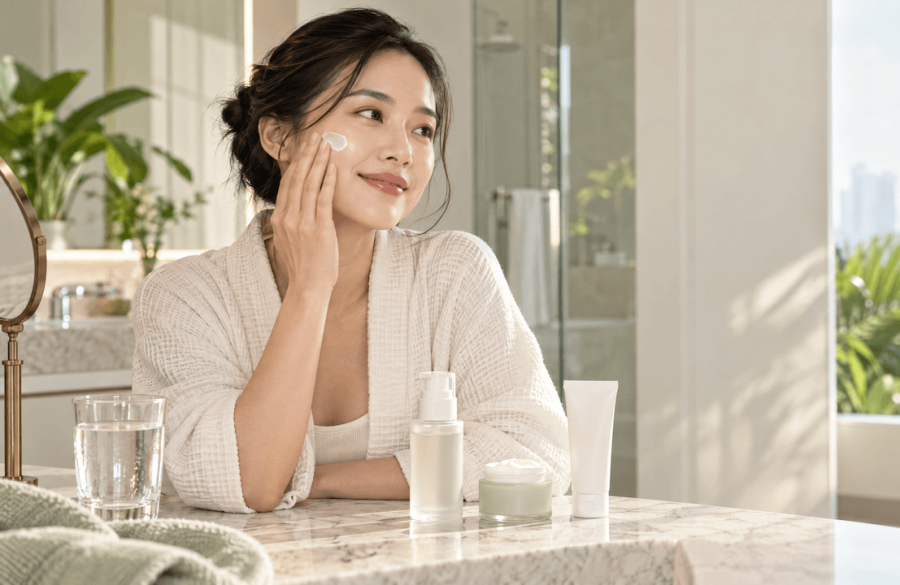
What Is the Best Skincare Routine During Haze Season?
For most people, a simple routine is a good starting point:
Morning:
Gentle cleanser → Moisturiser → Broad-spectrum sunscreen
Evening:
Gentle cleanser → Hydrating/barrier-supporting moisturiser
The key is not to overload your skin with products. During periods of environmental stress, maintaining a consistent routine that supports your skin barrier may be more useful than constantly changing products.
Final Thoughts: Protect Your Skin During Singapore's Haze Season
Haze is primarily a public health concern, but your skin is also exposed to the environment throughout the day. Research suggests that air pollutants, including particulate matter, can contribute to oxidative stress, inflammation and changes in skin barrier function.
The good news is that your haze skincare routine does not need to be complicated.
Check the air quality, limit unnecessary outdoor exposure when advisories recommend it, cleanse gently, moisturise consistently, avoid over-exfoliation and continue using sunscreen.
Most importantly, pay attention to how your skin behaves. If it becomes persistently dry, sensitive, congested or uncomfortable, consider reviewing your skincare routine and getting professional advice suited to your individual skin needs.
FAQs About Haze and Skincare
1. Can haze affect your skin?
Air pollution research suggests that particulate matter and other pollutants can contribute to oxidative stress, inflammation and disruption of the skin barrier. However, individual responses vary, and haze exposure should not be assumed to be the sole cause of a specific skin problem.
2. What should I do to protect my skin during haze in Singapore?
Start with a simple routine: cleanse gently, moisturise, use sunscreen and avoid unnecessary exfoliation. You can also reduce prolonged outdoor exposure when Singapore's air-quality advisories recommend doing so.
3. Should I wash my face more often during haze season?
Not necessarily. Cleansing helps remove surface impurities, but excessive washing can leave skin feeling dry or irritated. For most people, a gentle cleanse morning and evening is sufficient, with an additional cleanse only when appropriate for your activities and skin type.
4. Does haze cause acne or clogged pores?
Air pollution has been associated with acne and other inflammatory skin conditions in scientific research, but acne has multiple contributing factors. Haze may be one environmental factor rather than the sole cause of breakouts.
5. Should I exfoliate during haze season?
You do not necessarily need to stop exfoliating, but avoid over-exfoliation. If your skin is already dry, irritated or sensitive, reducing intensive exfoliation may help minimise additional irritation.
6. Is moisturiser important during haze season?
Yes. Moisturising helps maintain skin hydration and supports the skin barrier. This can be particularly useful if your skin feels dry, tight or uncomfortable.
7. Do I still need sunscreen when Singapore is hazy?
Yes. Haze does not replace your normal sun-protection routine. Continue using a broad-spectrum sunscreen during the day, especially when spending time outdoors.
8. When should I seek professional advice for haze-related skin concerns?
If your skin develops persistent or worsening redness, irritation, swelling, severe dryness or recurring breakouts, consider seeking advice from a qualified healthcare or skincare professional to determine the appropriate next steps.