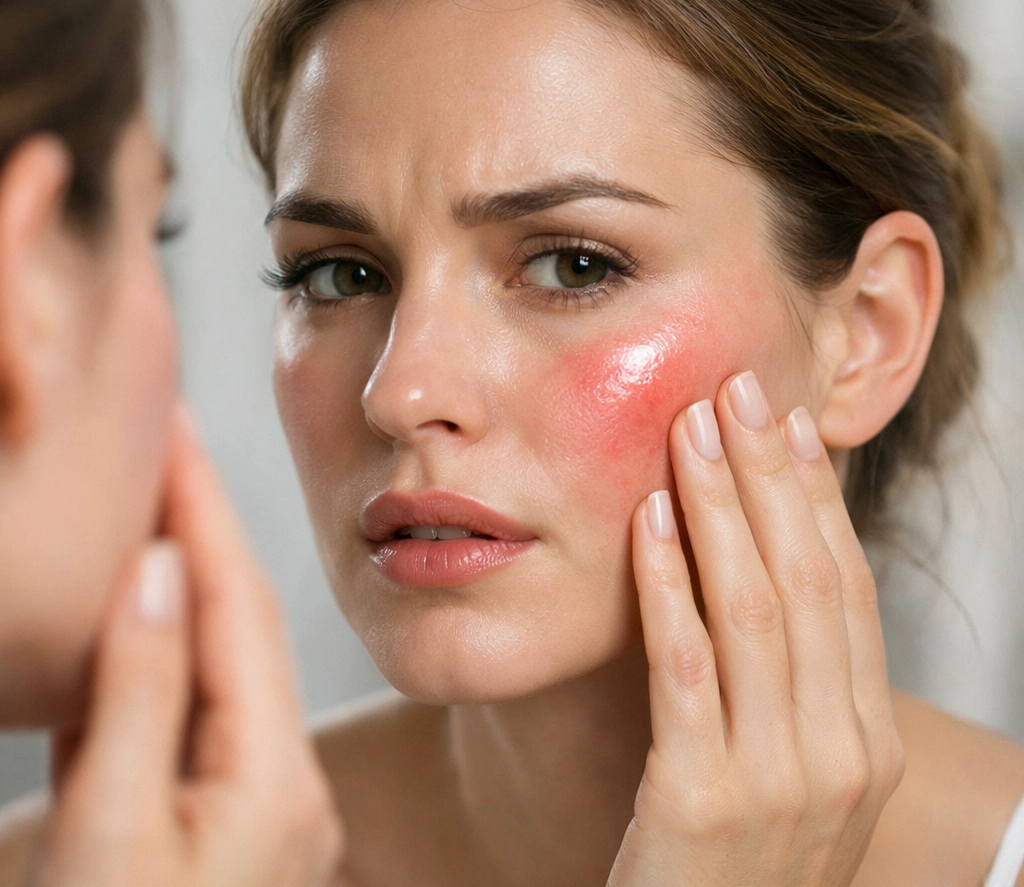



When dealing with an acne face, it’s natural to look for skincare ingredients that promise clearer, healthier skin. Among the most talked-about ingredients today is vitamin C. Known for its brightening and anti-aging benefits, many people wonder: does vitamin C actually help with acne, or is it just another skincare trend?
The answer is not a simple yes or no. Vitamin C can be a powerful addition to your acne skin treatment routine, but its effectiveness depends on how your skin responds, the type of acne you have, and how you use it. Understanding how this ingredient works can help you decide if it’s the right fit for your skincare routine.
How Vitamin C Works on Acne-Prone Skin
Vitamin C, also known as ascorbic acid, is a potent antioxidant. Its primary role is to protect the skin from environmental damage caused by free radicals, such as pollution and UV exposure. However, its benefits extend beyond protection, especially for acne-prone skin.
One of the key reasons vitamin C is beneficial for an acne face is its anti-inflammatory properties. Acne, particularly hormonal acne, is often linked to inflammation within the skin. Vitamin C helps calm redness and swelling, making active breakouts appear less severe.
In addition, vitamin C supports collagen production. Acne, especially cystic or hormonal acne, can damage the deeper layers of the skin and lead to scarring. By boosting collagen, vitamin C helps the skin repair itself more effectively, reducing the appearance of acne scars over time.
Another important benefit is its ability to brighten post-acne marks. Many people struggle with dark spots after breakouts, known as post-inflammatory hyperpigmentation. Vitamin C inhibits melanin production, helping to fade these marks and create a more even skin tone.
Is Vitamin C Effective for Hormonal Acne?
Hormonal acne is typically caused by fluctuations in hormones that increase oil production. This excess oil can clog pores and lead to breakouts, often around the jawline and chin.
While vitamin C does not directly regulate hormones, it can still play a supportive role in managing hormonal acne. Its anti-inflammatory properties help reduce the severity of breakouts, while its healing benefits support faster recovery.
However, for those dealing with persistent hormonal acne, vitamin C should not be the only solution. A comprehensive acne skin treatment plan may include ingredients like salicylic acid, retinoids, or professional facials that target oil production and clogged pores more directly.
Think of vitamin C as a complementary ingredient rather than a standalone treatment for hormonal acne.
Benefits of Vitamin C for Acne Face
Adding vitamin C into your routine can offer multiple benefits for acne-prone skin. It not only addresses active breakouts but also improves the overall appearance and health of your skin.
Firstly, it reduces redness and inflammation, making pimples less noticeable. Secondly, it helps fade acne scars and pigmentation, which is often one of the biggest concerns after breakouts. Thirdly, it strengthens the skin barrier, making your skin more resilient against future breakouts.
For individuals undergoing acne skin treatment, vitamin C can enhance results by promoting faster healing and improving skin texture.
How to Use Vitamin C for Acne Skin Treatment
To get the most out of vitamin C, it’s important to use it correctly. Start with a low to moderate concentration, especially if you have sensitive or acne-prone skin. This helps minimise the risk of irritation, which can worsen an acne face.
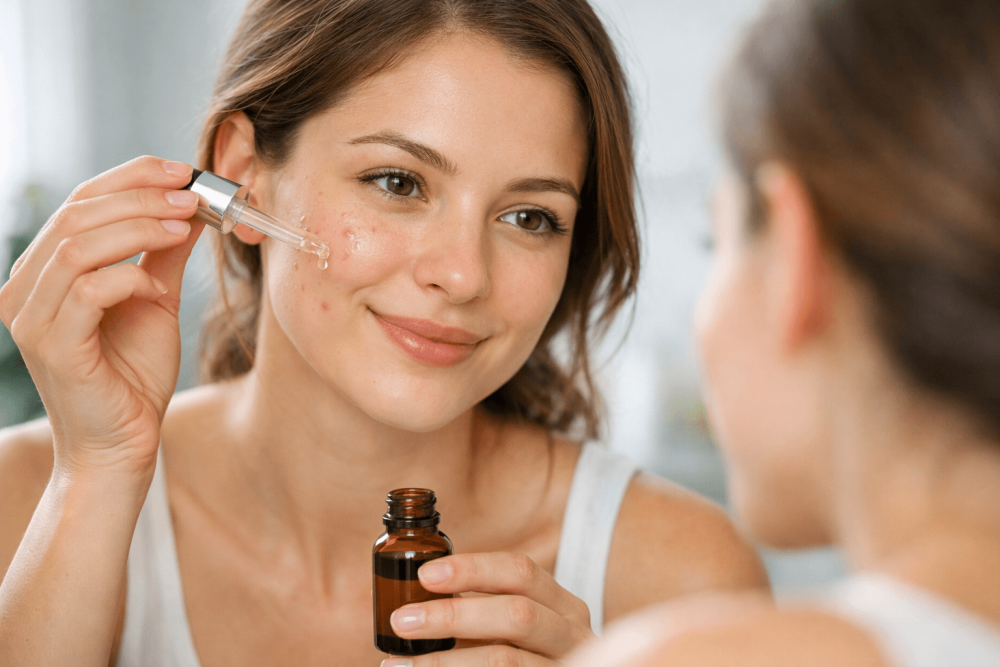
Apply vitamin C serum in the morning after cleansing and before moisturiser. It works well under sunscreen, providing added protection against environmental damage that can aggravate acne and pigmentation.
Consistency is key. While some people may notice brighter skin within a few weeks, improvements in acne scars and overall skin clarity typically take longer.
It’s also important to pair vitamin C with other acne-fighting ingredients carefully. Avoid layering it with strong actives like benzoyl peroxide at the same time, as this can reduce its effectiveness or cause irritation.

Who Should Use Vitamin C for Acne?
Vitamin C is suitable for most skin types, including those with mild to moderate acne. It is particularly beneficial for individuals dealing with post-acne marks, dull skin, and uneven texture.
However, if you have very sensitive skin or severe, inflamed acne, you may need to introduce it slowly or consult a skincare professional. In some cases, active breakouts may require more targeted acne skin treatment before adding vitamin C into the routine.
Are There Any Side Effects?
Although vitamin C is generally safe, it can cause mild irritation in some individuals, especially at higher concentrations. This may include redness, tingling, or dryness.
To avoid this, start by using it a few times a week and gradually increase frequency as your skin builds tolerance. Choosing a stable and well-formulated product is also important to minimise potential side effects.

Final Thoughts: Is Vitamin C Worth It for Acne?
Vitamin C is not a miracle cure for acne, especially when it comes to hormonal acne. However, it is a highly effective supportive ingredient that can improve inflammation, speed up healing, and reduce post-acne marks.
For anyone struggling with an acne face, adding vitamin C to your acne skin treatment routine can help you achieve clearer, brighter, and healthier skin over time. When combined with the right treatments and consistent skincare habits, it becomes a valuable tool in managing acne and maintaining long-term skin health.
If you’re unsure where to start, consider consulting a skin coach to create a personalised plan that addresses both active breakouts and long-term skin concerns.