

Extraction facials are a popular treatment for clearing congested pores and combating acne. However, a common concern among individuals seeking clearer skin is whether these facials can inadvertently lead to hyperpigmentation, particularly in a tropical climate like Singapore. This article delves into the relationship between extraction facials and hyperpigmentation, offering insights into how to achieve a radiant, even-toned complexion.
What is Hyperpigmentation?
Hyperpigmentation is a common skin condition where patches of skin become darker than the surrounding areas. This darkening occurs when there is an overproduction of melanin, the pigment responsible for skin, hair, and eye colour. In Singapore's sunny environment, understanding and managing hyperpigmentation is crucial for maintaining healthy skin.
Causes of Hyperpigmentation
Several factors can trigger hyperpigmentation:
- Sun Exposure: The most common cause, as UV rays stimulate melanin production to protect the skin.
- Inflammation: Skin injuries, acne, eczema, or even aggressive skincare treatments can lead to post-inflammatory hyperpigmentation (PIH).
- Hormonal Changes: Fluctuations in hormones, often due to pregnancy or birth control pills, can cause melasma.
- Medications: Certain drugs can increase skin sensitivity to the sun, leading to pigmentation.
Different Types of Hyperpigmentation
While hyperpigmentation is a broad term, it manifests in various forms:
- Sunspots (Lentigines): Small, darkened spots that appear on sun-exposed areas, often associated with ageing.
- Melasma: Characterised by larger patches of discolouration, typically on the face, and often linked to hormonal changes and sun exposure.
- Post-Inflammatory Hyperpigmentation (PIH): Dark spots that appear after an inflammatory skin condition, such as acne, burns, or other skin injuries. This is particularly relevant when discussing extraction facials.
Why Acne and Skin Trauma Can Trigger Dark Spots
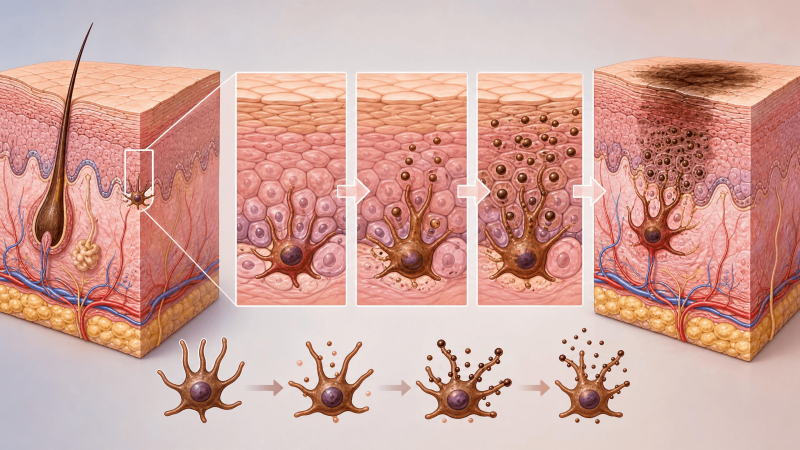
When the skin experiences inflammation or trauma, such as a severe acne breakout or an injury, it initiates a healing response. During this process, melanocytes (melanin-producing cells) can become overactive, depositing excess pigment in the affected area. This results in the formation of dark spots or patches, which can persist long after the initial inflammation has subsided. For many in Singapore, these post-acne marks are a significant concern.
Can Extraction Facials Cause Hyperpigmentation?
The question of whether extraction facials cause hyperpigmentation is nuanced. The relationship between facial extractions and hyperpigmentation largely depends on the technique used and the individual's skin type.
The Relationship Between Facial Extractions and Hyperpigmentation
Extraction facials involve manually clearing clogged pores, blackheads, and whiteheads. When performed correctly, they can significantly improve skin clarity and prevent future breakouts. However, the process itself can induce a degree of inflammation. For individuals prone to PIH, this inflammation, if excessive, can potentially trigger dark spots.
How Aggressive Squeezing, Picking, or Improper Extraction Techniques May Damage the Skin and Trigger PIH
Aggressive squeezing, picking, or using improper extraction techniques can cause significant trauma to the skin. This trauma can lead to:
- Increased Inflammation: Excessive force can rupture capillaries and damage surrounding skin tissue, intensifying the inflammatory response.
- Skin Barrier Compromise: Improper techniques can weaken the skin's protective barrier, making it more vulnerable to irritation and further damage.
- Deepening of Pigment: Trauma can push melanin deeper into the skin, making the resulting hyperpigmentation more stubborn and difficult to treat.
These factors collectively increase the risk of developing PIH, especially if the skin is already sensitive or prone to discolouration.

Why Professional Extraction Performed by Trained Skin Specialists is Generally Safer Than DIY Extraction
Professional extraction performed by trained skin specialists significantly reduces the risk of hyperpigmentation. Estheticians use sterile tools and precise techniques to minimise trauma and inflammation. They also assess your skin type and condition to determine if extractions are suitable and how best to perform them. DIY extractions, on the other hand, often involve unsterile tools, incorrect pressure, and a lack of understanding of skin anatomy, leading to greater damage and a higher likelihood of PIH.
The Importance of Aftercare and Sun Protection
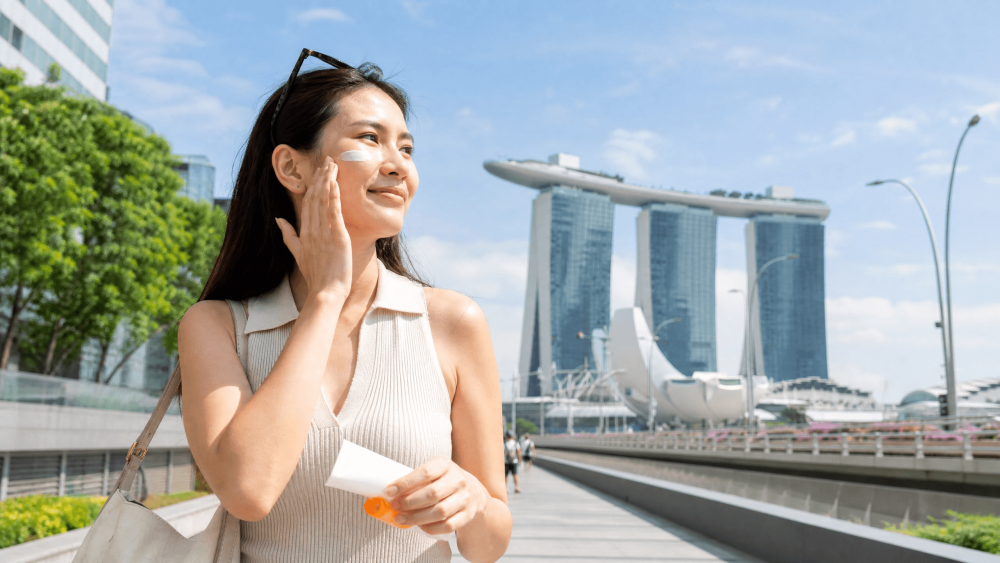
Post-extraction aftercare is paramount, especially in sunny Singapore. Immediately after an extraction facial, the skin is more vulnerable. Strict adherence to aftercare instructions, including gentle cleansing, moisturising, and avoiding harsh products, is essential. Most importantly, diligent sun protection is non-negotiable. Using a broad-spectrum sunscreen with a high SPF daily helps prevent UV-induced melanin production and protects the healing skin from further darkening.
How to Get Rid of Hyperpigmentation?
Addressing hyperpigmentation requires a multi-faceted approach, combining professional treatments with a consistent home care routine.
Daily Sunscreen Use
This is the cornerstone of any hyperpigmentation treatment plan. Daily application of a broad-spectrum sunscreen with at least SPF 30, even on cloudy days, is crucial to prevent existing spots from darkening and new ones from forming. Reapplication throughout the day, especially if outdoors, is also vital.
Medical-Grade Chemical Peel
Medical-grade chemical peels, performed by professionals, use carefully selected acids to exfoliate the top layers of the skin. This process helps to shed pigmented cells, accelerate cell turnover, and reveal brighter, more even-toned skin underneath. They are highly effective for various types of hyperpigmentation.
Microneedling Treatments
Microneedling involves using fine needles to create microscopic punctures in the skin. This stimulates the skin's natural healing process, boosting collagen and elastin production. As the skin regenerates, it helps to reduce the appearance of acne scars and post-inflammatory hyperpigmentation, leading to a smoother complexion.
Consistent Skincare Routines
A consistent skincare routine incorporating ingredients known to target hyperpigmentation is essential. Look for products containing Vitamin C, Niacinamide, Alpha Arbutin, and retinoids (under professional guidance). These ingredients work to inhibit melanin production, brighten the skin, and improve overall tone.
Professional Skin Analysis and Customised Treatment Plans
Given the diverse causes and types of hyperpigmentation, a professional skin analysis is invaluable. A skin specialist can accurately diagnose the type of pigmentation and recommend a customised treatment plan tailored to your specific needs and skin concerns, ensuring the most effective and safest approach.
How Caring Skin Helps Reduce Hyperpigmentation
Caring Skin, a leading facial spa in Singapore, offers advanced treatments specifically designed to combat hyperpigmentation and achieve clearer, more radiant skin.
ProSkin Medical Peel
Caring Skin's ProSkin Medical Peel is an advanced facial treatment powered by patented dual-phase technology. It is expertly formulated to target congestion, breakouts, and excess oil, making it suitable for acne-prone and sensitive skin. This medical-grade peeling technology gently yet effectively exfoliates the skin, clearing clogged pores and refining texture. It helps to accelerate skin cell turnover, fade post-acne marks and pigmentation, and improve overall skin clarity and tone. The peel combines both lipophilic and hydrophilic actions, targeting both oil-based and water-based impurities at their source, reducing inflammation, redness, and breakouts.
Caring Dermal Microneedling
Caring Dermal Microneedling is a premium skin renewal treatment utilising an European Sterile Infusion System to stimulate natural collagen production. This precision microneedling technology refines skin texture, reduces enlarged pores, and significantly improves acne scars and post-inflammatory hyperpigmentation. By creating microchannels, it activates the skin’s repair process and enhances the absorption of targeted serums, such as Hyaluronic Acid for hydration, EGF for collagen and elastin production, Multi-Vitamins for renewal, and Depigmenting agents (Alpha-Arbutin, Tricholoma Extract, Glutathione) to regulate pigmentation and improve clarity. This leads to a smoother, firmer, and more radiant complexion.
Frequently Asked Questions (FAQs)
Can facial extraction cause dark spots?
Yes, improper or aggressive facial extractions can cause trauma and inflammation to the skin, leading to post-inflammatory hyperpigmentation (PIH) or dark spots. Professional extractions performed by trained specialists minimise this risk.
Is hyperpigmentation permanent?
No, hyperpigmentation is generally not permanent. With consistent treatment and proper sun protection, most forms of hyperpigmentation can be significantly faded or even completely resolved over time.
How long does post-inflammatory hyperpigmentation take to fade?
The fading time for post-inflammatory hyperpigmentation (PIH) varies depending on its severity and individual skin type, typically ranging from a few weeks to several months. Consistent treatment and sun protection can accelerate the process.
Which treatment is best for hyperpigmentation?
The best treatment for hyperpigmentation depends on its type, severity, and individual skin concerns. Often, a combination of medical-grade chemical peels, microneedling, and a consistent skincare routine with active ingredients is recommended. A professional skin analysis can help determine the most effective approach.
Can microneedling help reduce pigmentation?
Yes, microneedling is effective in reducing pigmentation, particularly post-inflammatory hyperpigmentation (PIH) and acne scars. It stimulates collagen production and skin regeneration, helping to break down pigmented cells and improve overall skin tone and texture.