


Struggling with recurring acne can feel like an endless cycle. Just as one blemish begins to fade, another seems to take its place, leaving you frustrated and searching for a permanent solution. Many individuals with acne-prone skin wonder if a professional extraction facial is the key to breaking this cycle. While clearing out clogged pores provides immediate relief, the real question remains: can an extraction facial actually prevent future breakouts?
In this comprehensive guide, we will explore the science behind pore congestion, the benefits of professional skin purification, and the essential facial extraction aftercare steps required to maintain a clear, healthy complexion.
Understanding the Extraction Facial Process
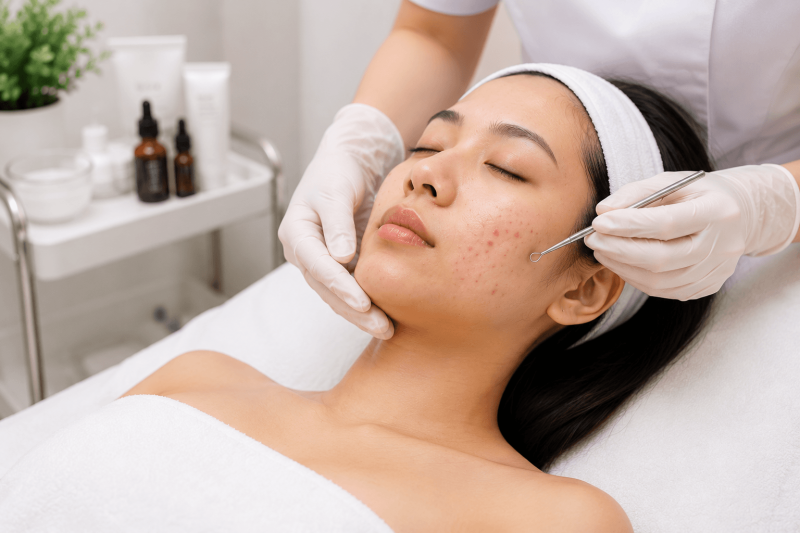
An extraction facial is a targeted skincare treatment designed to manually clear clogged pores, which are the primary precursors to acne. During this professional facial, a trained esthetician or Skin Coach carefully removes the buildup of sebum, dead skin cells, and debris trapped within the hair follicles. This process effectively addresses both open comedones (blackheads) and closed comedones (whiteheads).
Professional extractions involve a meticulous approach. The skin is first cleansed and softened, often using steam or specialized desincrustation solutions, to loosen the impacted material. The Skin Coach then applies gentle, controlled pressure using specialised tools or their fingers wrapped in sterile tissue to coax the blockage out of the pore. Unlike aggressive squeezing, this method minimizes trauma to the surrounding tissue, ensuring safe and effective blackhead extraction and whitehead removal.
The Science: Can Extractions Prevent Future Breakouts?
The short answer is yes, an extraction facial can significantly aid in preventing future breakouts, provided it is part of a comprehensive skincare strategy. To understand why, we must look at the science of comedogenesis, the process by which a pore becomes clogged.
Acne begins when excess oil and dead skin cells form a microscopic plug within the pore. If left untreated, this plug can trap acne-causing bacteria (Cutibacterium acnes). As the bacteria multiply, they trigger an inflammatory response, transforming a simple clogged pore into a painful, inflamed pimple or cyst. By undergoing regular comedone extraction, you are effectively removing the "seed" of the breakout before it has the opportunity to become inflamed.
However, it is crucial to understand that extraction alone is not a cure for acne. While it removes existing blockages, it does not stop the sebaceous glands from producing excess oil or alter the rate of skin cell turnover. Therefore, to truly prevent future breakouts, extraction facials must be combined with a consistent daily skincare routine that addresses these underlying causes.
The Benefits of Regular Extraction Facials
Incorporating regular extraction facials into your skincare regimen offers numerous benefits beyond immediate pore clearing. For individuals with acne-prone skin, these treatments are a cornerstone of effective skin management.
Firstly, professional extractions instantly improve skin texture by smoothing out the bumps caused by pore congestion. This leads to a more refined and radiant appearance. Secondly, clearing the pores allows your daily skincare products to penetrate more deeply and work more effectively. When pores are blocked, active ingredients struggle to reach their target areas, rendering even the best serums and creams less potent.
Furthermore, regular skin purification helps to minimize the appearance of enlarged pores over time. When pores are consistently stretched by trapped debris, they can appear larger. By keeping them clear, the pore walls can retract, resulting in a smoother complexion.
Professional Extraction vs. DIY Pimple Popping
It can be incredibly tempting to squeeze a visible pimple or blackhead at home, but DIY extraction is fraught with risks and often exacerbates the problem. Understanding the difference between professional care and at-home popping is vital for maintaining skin health.
Attempting to extract blemishes at home frequently ruptures the follicle wall beneath the skin's surface. This spills bacteria and inflammatory material into the surrounding dermis, leading to larger, more painful nodules and increasing the likelihood of permanent acne scars. Trusting a professional ensures that the extraction is performed safely and effectively.
Who Should Consider an Extraction Facial?
Extraction facials are highly beneficial for individuals experiencing blackheads, whiteheads, and general pore congestion. If your skin feels bumpy or you notice a high volume of clogged pores, this treatment can provide significant relief. It is particularly advantageous for those with oily or combination skin types prone to excessive sebum production.
However, not all types of acne are suitable for manual extraction. Inflamed, cystic acne or deep nodules should generally not be extracted, as attempting to do so can cause severe pain, spread infection, and lead to scarring. A professional Skin Coach will assess your skin condition and determine which blemishes are safe to extract and which require alternative acne treatment facial approaches, such as chemical peels or specialized serums.

The Ultimate Guide to Facial Extraction Aftercare
The success of your treatment heavily relies on proper facial extraction aftercare. Following an extraction facial, your pores are temporarily open, and your skin may be slightly sensitive or inflamed. Adhering to these best practices will ensure optimal healing and maximize the benefits of the facial.
Immediate Post-Treatment Care (0–24 Hours)
The most critical rule immediately following your facial is to keep your hands off your face. Touching your skin can introduce bacteria into the freshly cleared pores, leading to new breakouts. Avoid applying makeup for at least 24 hours to allow the skin to breathe and recover. Additionally, skip heavy workouts or activities that cause excessive sweating, as sweat can irritate the sensitive skin and clog the open pores.
Cleansing and Reducing Redness
Wash your face using a gentle, non-abrasive cleanser. Avoid hot water; instead, use lukewarm or cool water to soothe the skin. It is normal to experience mild redness after extractions. To reduce this, you can apply a soothing, hydrating mask containing ingredients like aloe vera, chamomile, or cica (Centella Asiatica). Avoid applying ice directly to the skin, as extreme cold can cause further irritation.
Sun Protection is Non-Negotiable
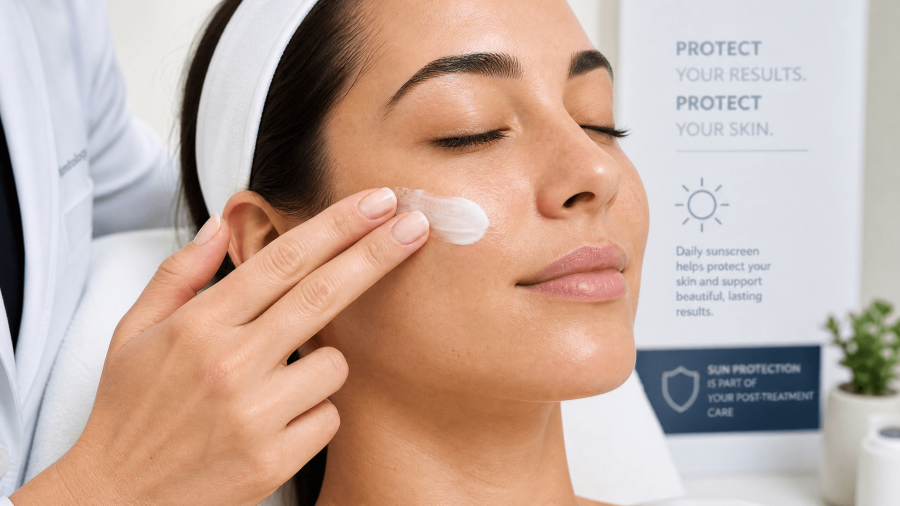
Your skin will be more vulnerable to UV damage following an extraction facial. Applying a broad-spectrum sunscreen is essential to prevent post-inflammatory hyperpigmentation (dark spots) from forming where the blemishes were extracted. Opt for a gentle, physical sunscreen, such as the Caring Skin UV Tone Up Sunscreen, which provides protection without irritating sensitive skin.
Resuming Active Ingredients
Give your skin a break from strong active ingredients. Pause the use of retinoids, AHAs (glycolic acid, lactic acid), BHAs (salicylic acid), and potent Vitamin C serums for at least 48 to 72 hours post-treatment. Reintroducing these exfoliants too soon can compromise the skin barrier and cause severe stinging and redness. Focus entirely on hydration and barrier repair during this recovery window.
Long-Term Strategies to Minimise Future Breakouts
While extraction facials are a powerful tool, maintaining clear skin requires a holistic approach. To minimize future breakouts, establish a consistent daily routine tailored to your specific skin type.
Incorporate a gentle chemical exfoliant, such as a BHA, into your routine a few times a week to help keep pores clear of dead skin cells and excess oil. Ensure your skin remains adequately hydrated; when the skin is dehydrated, it often overcompensates by producing more oil, leading to further congestion. Using a lightweight, non-comedogenic hydrator like the Caring Skin HydraQuench Triple H.A Serum can provide essential moisture without clogging pores. Finally, maintain a healthy lifestyle, manage stress levels, and ensure you are thoroughly removing all makeup and sunscreen at the end of each day.
Conclusion
An extraction facial is a highly effective method for clearing pore congestion and can indeed play a significant role in preventing future breakouts by removing the precursors to inflamed acne. However, it is not a standalone cure. The key to long-term success lies in combining professional treatments with diligent facial extraction aftercare and a consistent, targeted home skincare routine.
Before embarking on any new treatment, it is essential to understand your unique skin profile. We encourage you to seek a professional skin analysis with a certified Skin Coach to determine the most effective and personalised approach for your acne-prone skin.
Frequently Asked Questions (FAQs)
1. Does facial extraction cause scarring?
When performed by a trained professional using the correct technique, facial extractions should not cause scarring. Professionals apply gentle, controlled pressure to clear the pore without damaging the surrounding tissue. However, aggressive DIY pimple popping at home significantly increases the risk of permanent scars and hyperpigmentation.
2. How often should I get an extraction facial?
The ideal frequency depends on your skin type and the severity of your congestion. For individuals with highly acne-prone or oily skin, a session every 3 to 4 weeks is often recommended to align with the skin's natural turnover cycle. Once the skin clears, maintenance sessions every 6 to 8 weeks may be sufficient.
3. Can I wash my face after an extraction?
Yes, you can wash your face, but you must be gentle. Wait a few hours after the facial, and use a mild, non-exfoliating cleanser with lukewarm or cool water. Avoid scrubbing the skin or using cleansing brushes, as the skin will be sensitive and requires a delicate touch during the initial recovery period.
4. Why do I sometimes break out after a facial?
A post-facial breakout, often referred to as skin purging, can occur as the treatment accelerates the skin's natural exfoliation process. Deep-seated congestion is brought to the surface more quickly. This is usually temporary and resolves within a few days, revealing clearer skin underneath. Proper aftercare minimizes this reaction.
5. Is professional extraction better than popping pimples at home?
Absolutely. Professional extractions are performed in a sterile environment using specific techniques that safely remove the blockage without rupturing the follicle wall. At-home popping often pushes bacteria and debris deeper into the skin, leading to severe inflammation, larger cysts, and a higher likelihood of scarring.