

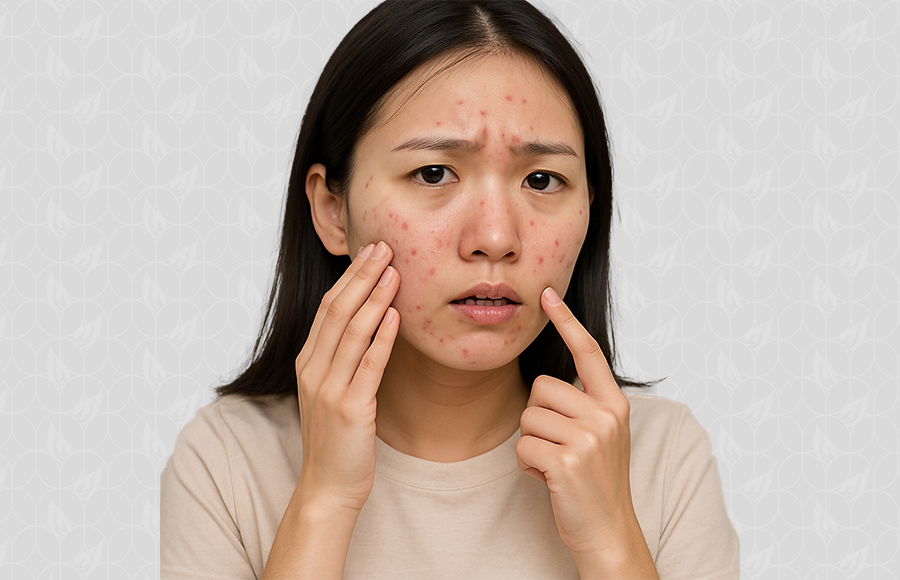
Acne Vulgaris is one of the most common skin conditions globally, affecting millions of people well beyond their teenage years. It manifests as a frustrating cycle of whiteheads, blackheads, and inflamed pimples, often leaving behind emotional and physical scars. If you are asking, "How do I stop acne on my face?" you are not alone. The journey to clear skin requires patience, consistency, and a strategic approach that combines a diligent daily regimen with professional care when necessary. This comprehensive guide will break down the causes of acne and provide actionable steps to help you regain control of your complexion.
Understanding the Root Cause of Acne
To effectively combat acne, it is crucial to understand what causes it. Acne develops when the hair follicles on your skin become clogged. This process involves four main factors:
- Excess Sebum Production: Your skin produces an oily substance called sebum. Too much sebum can make the skin oily and sticky.
- Dead Skin Cells: Normally, dead skin cells shed naturally. In acne-prone skin, these cells mix with the excess sebum and plug the follicle opening.
- Bacterial Overgrowth: A common skin bacterium, Propionibacterium acnes (P. acnes), thrives in the clogged, oily environment.
- Inflammation: The body’s immune response to the bacteria and clogged follicle leads to the redness, swelling, and pus we recognise as a pimple.
Hormonal changes, genetics, certain medications, and even stress can all contribute to this cycle, making a multi-pronged treatment approach essential.
The Foundation: Your Essential Acne Skin Care Routine
The cornerstone of any successful treatment plan is a consistent and tailored acne skin care routine. Skipping steps or using the wrong products can exacerbate the problem. Here is a step-by-step guide to building an effective daily regimen:
1. Gentle Cleansing (Twice Daily)
Wash your face twice a day (morning) and night—and after sweating. Use a mild, pH-balanced cleanser that is non-comedogenic (meaning it won't clog pores). Avoid harsh scrubbing, which can irritate the skin and worsen inflammation. Use your fingertips to gently massage the cleanser into your skin for about 30 seconds, then rinse thoroughly with lukewarm water.
2. Incorporate Active Ingredients
The most effective over-the-counter (OTC) treatments contain proven active ingredients that target the root causes of acne:
- Benzoyl Peroxide: This ingredient works by killing P. acnes bacteria and helping to shed dead skin cells. Start with a lower concentration (2.5% or 5%) to minimize dryness and irritation.
- Salicylic Acid (BHA): A beta-hydroxy acid that exfoliates inside the pore lining, helping to unclog blackheads and whiteheads. It is particularly effective for non-inflammatory acne.
- Retinoids (Retinol/Adapalene): These vitamin A derivatives are powerful cell communicators that normalize cell turnover, preventing new clogs from forming. Adapalene (like Differin) is now available OTC and is often recommended as a first-line treatment for all types of acne.
Introduce these products slowly, using them every other night until your skin adjusts. Consistency is key; it can take four to eight weeks to see noticeable improvement.
3. Moisturise and Protect
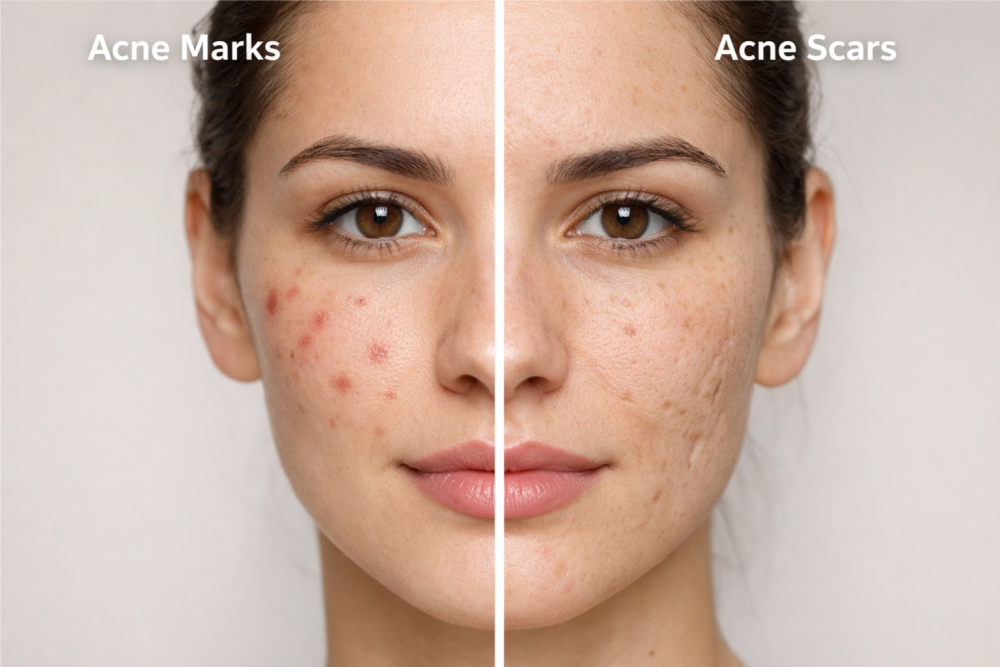
Even oily, acne-prone skin needs moisture. Using a lightweight, oil-free, and non-comedogenic moisturizer helps maintain the skin barrier, which is often compromised by acne treatments. In the morning, follow up with a broad-spectrum sunscreen (SPF 30 or higher). Sun exposure can worsen acne scars (post-inflammatory hyperpigmentation) and some acne medications make your skin more sensitive to the sun.
When to Seek Professional Treatment
While a dedicated acne skin care routine can manage mild to moderate breakouts, persistent or severe cystic acne often requires professional intervention. A dermatologist can prescribe stronger, prescription-strength treatments such as oral antibiotics, isotretinoin, or hormonal therapies.
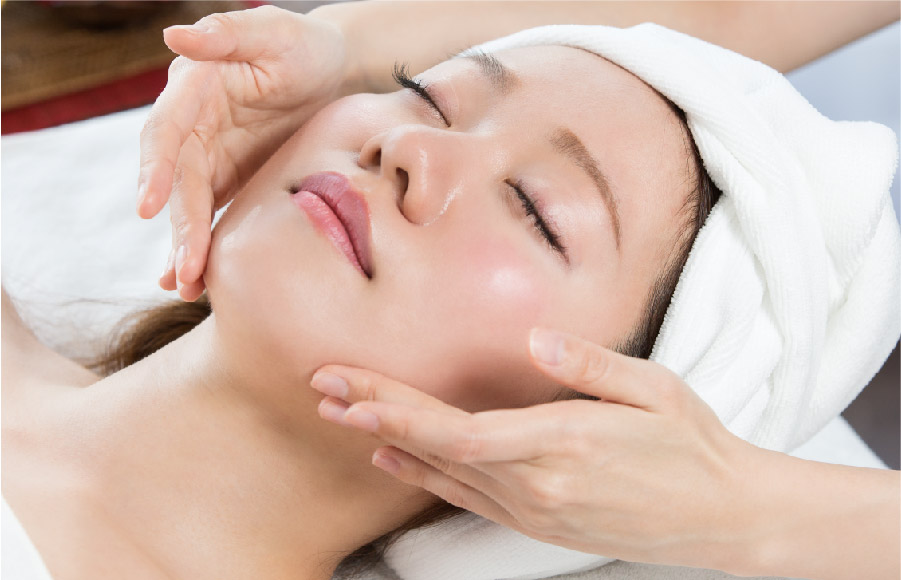
Beyond prescription medication, professional in-clinic treatments can provide a significant boost to your clear skin journey. For instance, seeking an acne facial Singapore-based clinic offers access to advanced technologies and specialized treatments tailored to the unique challenges of the local climate and skin types. These treatments often include:
- Chemical Peels: Using higher concentrations of acids to deeply exfoliate the skin and clear pores.
- Microdermabrasion or Hydrafacials: Techniques to gently remove the outermost layer of dead skin cells.
- Laser and Light Therapies: Used to reduce inflammation and target acne-causing bacteria.
- Extraction: Professional, sterile removal of blackheads and whiteheads.
A skilled aesthetician or dermatologist can assess your skin condition and recommend a personalized treatment plan that complements your home care routine, accelerating your results and minimising the risk of scarring.
Lifestyle Adjustments for Clearer Skin
Your daily habits play a supporting role in your fight against acne:
- Hands Off: Never pick, squeeze, or pop pimples. This pushes bacteria deeper into the skin, increases inflammation, and dramatically raises the risk of permanent scarring.
- Hygiene: Regularly wash anything that touches your face, including pillowcases, hats, and phone screens.
- Diet: While the link is complex, some studies suggest high-glycemic index foods and dairy products may trigger breakouts in some individuals. Focus on a balanced diet rich in fruits, vegetables, and lean proteins.
- Stress Management: Stress causes the body to produce hormones that can stimulate oil glands. Incorporate stress-reducing activities like exercise, meditation, or adequate sleep into your life.
Stopping acne on your face is a marathon, not a sprint. By committing to a consistent acne skin care routine, understanding when to seek professional help such as a specialised acne facial Singapore treatment and making mindful lifestyle choices, you can achieve and maintain the clear, healthy skin you desire. Be patient with your skin, and remember that consistency is the ultimate key to success.